
 Home
Home About Us
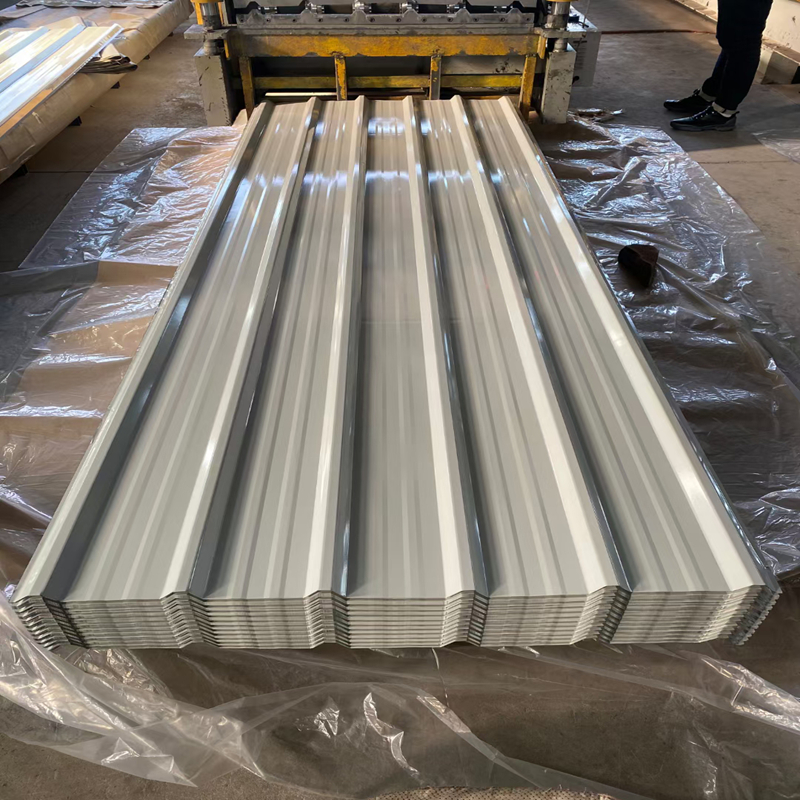
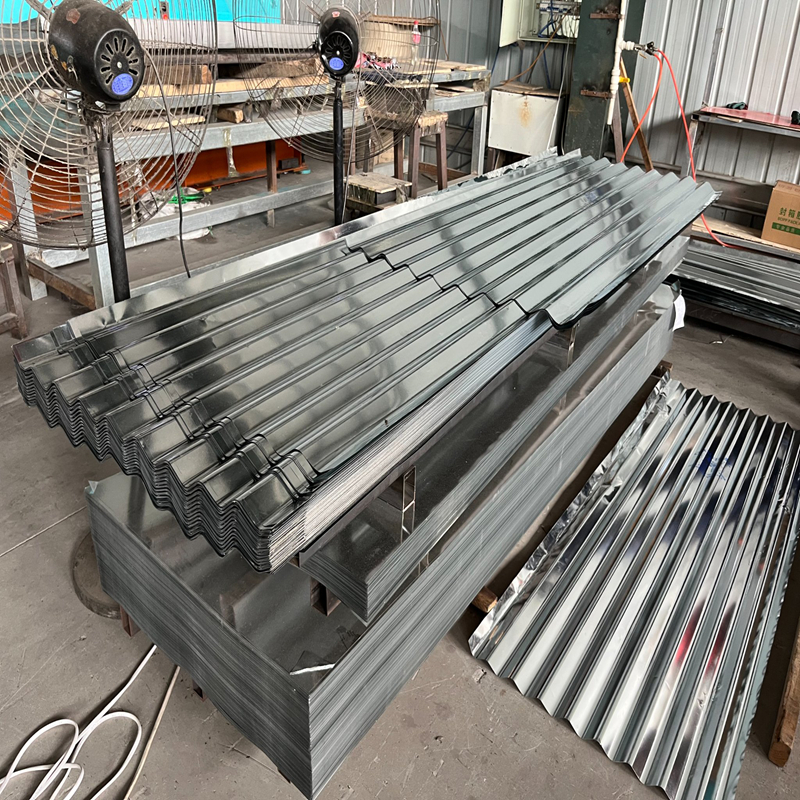
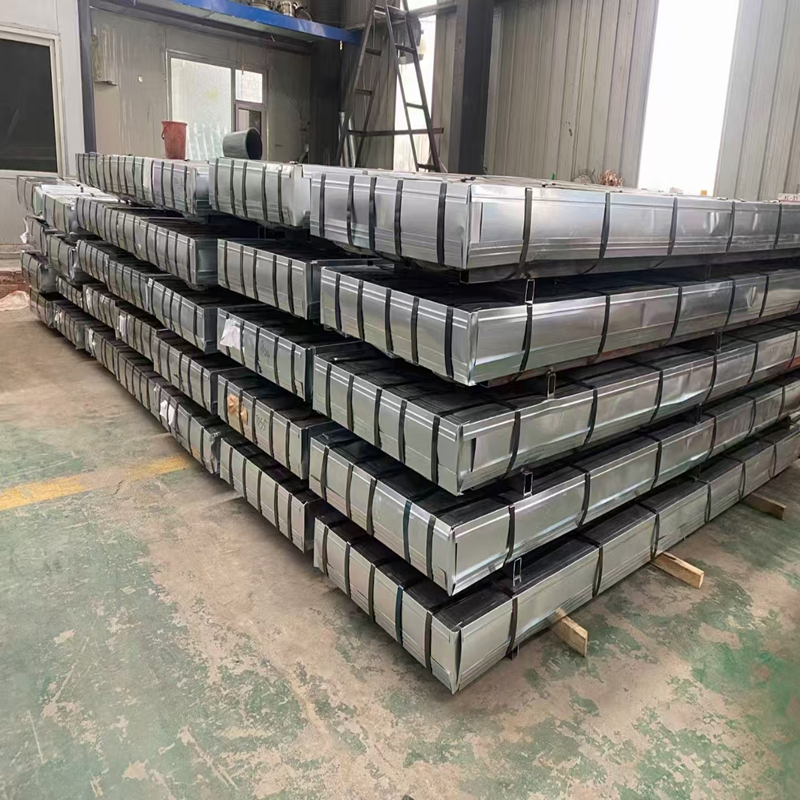
Color-Coated Corrugated Sheet
Product Overview
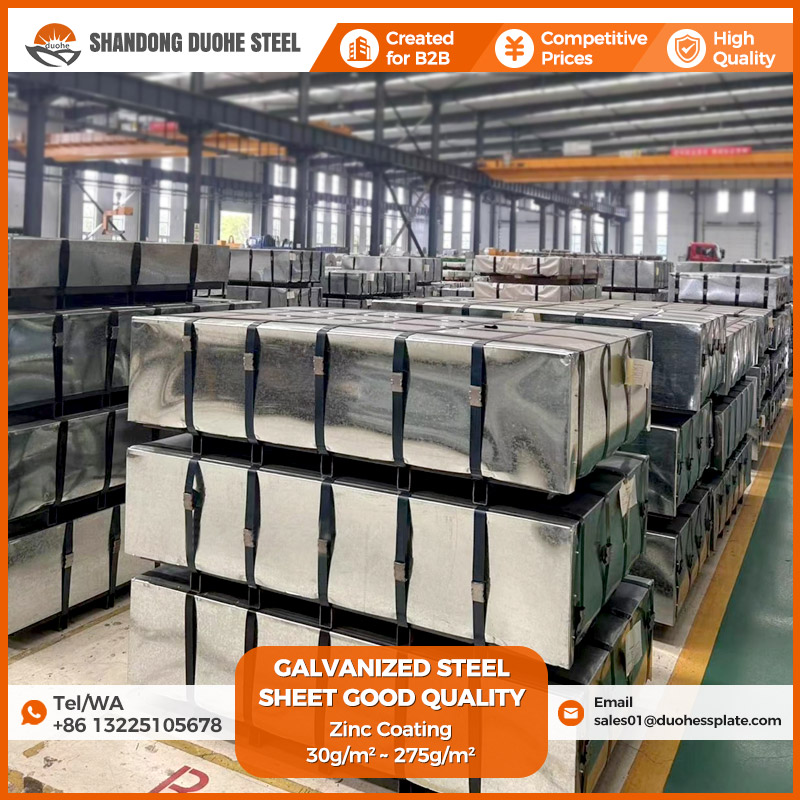
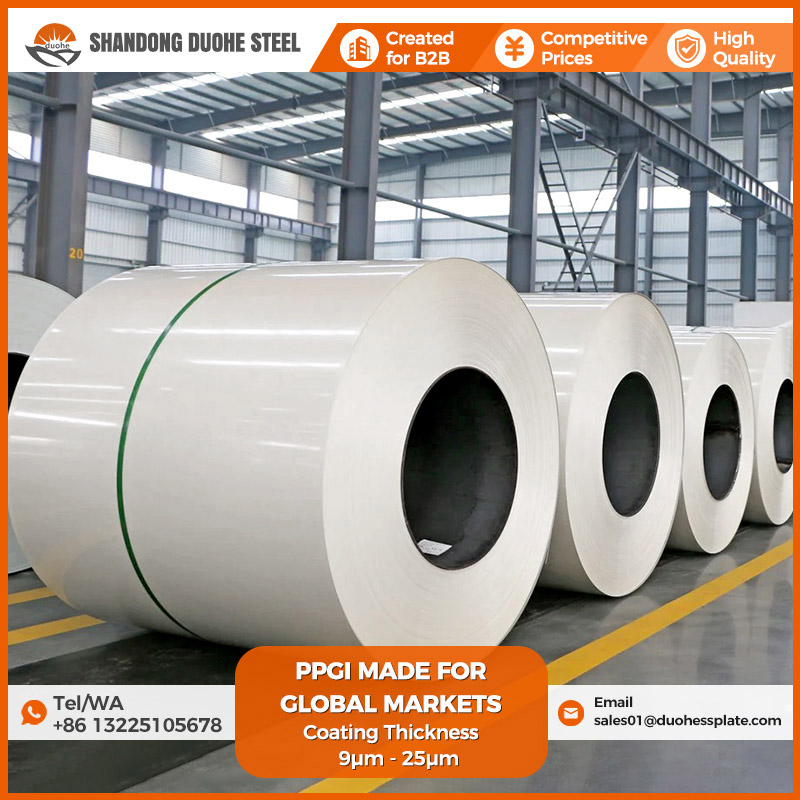
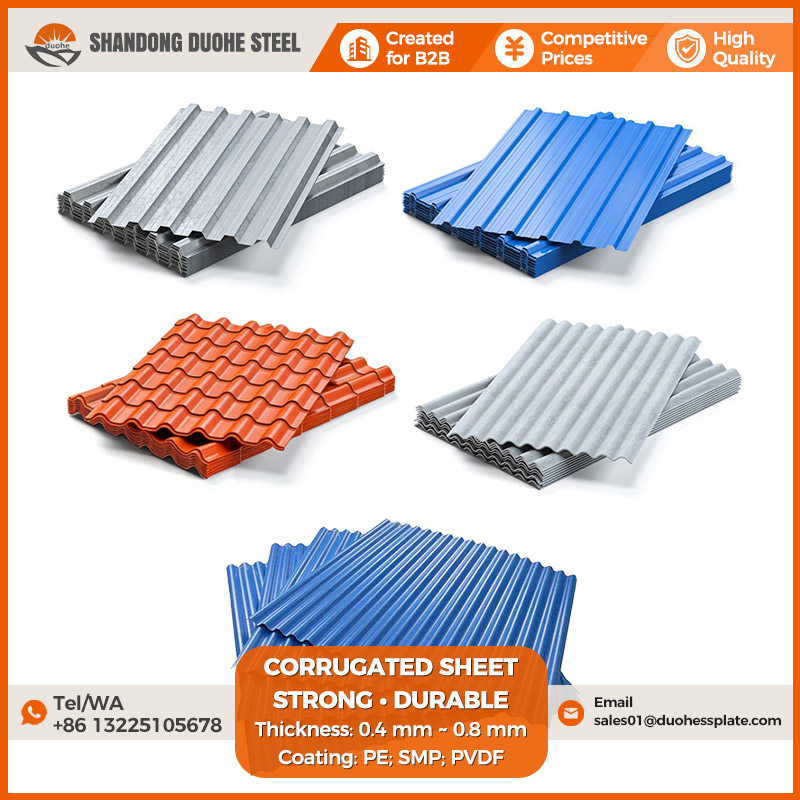
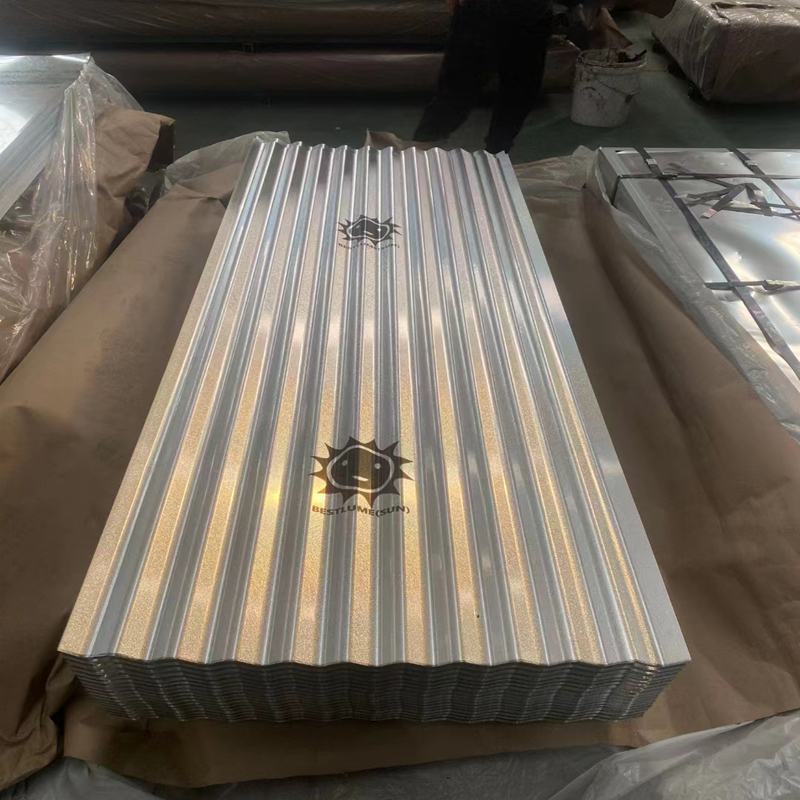
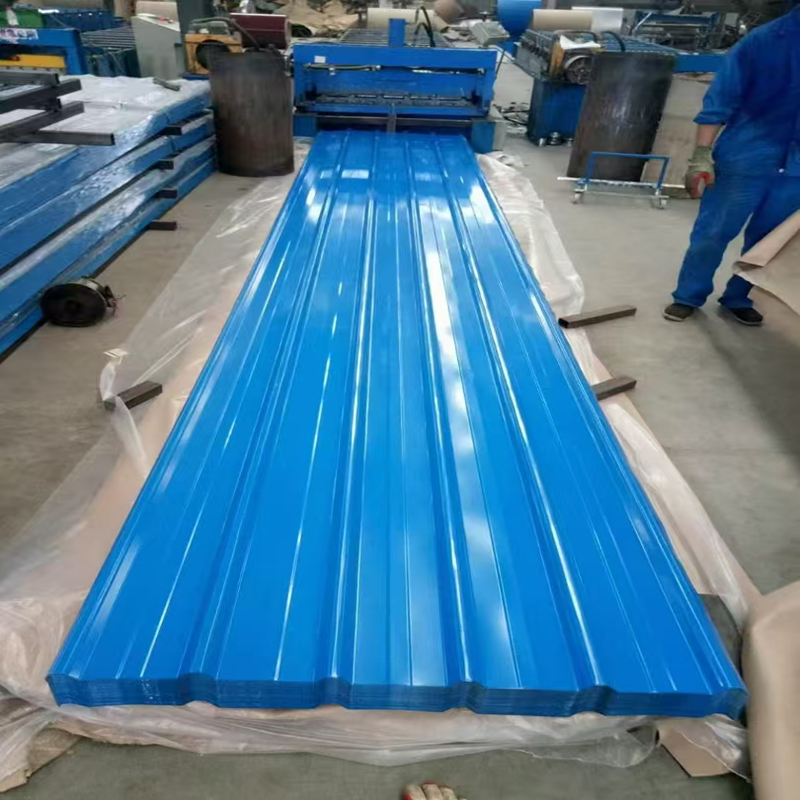
When selecting roofing and cladding materials for construction projects, buyers prioritize durability, ease of installation, and long-term value. Our Color Coated Galvanized Corrugated Steel Sheet is engineered to meet these demands. Combining the corrosion resistance of a hot-dip galvanized substrate with a protective and decorative color coating, this product delivers reliable performance for residential, commercial, and industrial buildings. Its classic corrugated profile provides exceptional structural strength while remaining lightweight and easy to handle
Quick Specification Table (Typical Options)
| Item | Typical Range / Options | Buyer Notes |
| Base metal | HDG (galvanized) or Galvalume (Al‑Zn) steel | Choose based on corrosion exposure and budget |
| Substrate thickness | 0.30 mm – 1.2 mm (typical: 0.35, 0.4, 0.45, 0.5 mm) | Thicker gauges increase span and load capacity; match to structural requirements |
| Coating mass (base) | Z120–Z600 (GI) or AZ150–AZ600 (Galvalume) g/m² | Specify AZ/Z value per environment (coastal/industrial → higher values) |
| Paint system | PE (polyester), SMP (silicone‑modified polyester), PVDF (Kynar/Hylar), PVDF hybrids | PVDF for best long‑term exterior durability; PE/SMP for economy |
| Paint thickness (total) | 15 – 35 μm (typical 18–25 μm) | Thicker films improve weathering and scratch resistance |
| Panel profile | Standard corrugation profiles (e.g., 16/76, 18/76, 33/76) or custom profiles | Verify profile dimensions, effective cover width and rib height for water shedding and overlap |
| Effective cover width | 600 mm – 1,050 mm (typical depends on profile) | Use effective cover width for roof take‑off and material estimation |
| Panel length | Cut‑to‑length as required (max depends on mill/transport) | Long lengths reduce on‑site laps; consider thermal expansion and handling limits |
| Edge & end laps | Overlap allowances and recommended sealant/fastener patterns | Supplier should provide fastening and lap details to avoid leaks |
| Accessories | Flashings, ridge caps, side trims, fasteners (self‑drilling screws with washers), sealants | Coordinate color, coating and fastener corrosion class with panels |
| Color & finish | RAL/custom colors; gloss: matt, semi‑gloss, high gloss; special textures | Request color cards and ΔE tolerance for color matching across batches |
| Fire rating | Options depending on substrate and insulation | Provide required fire class (e.g., A, B, C) as per project needs |
| Standards & tests | EN, ASTM, JIS, GB standards; salt spray, QUV, adhesion, bending tests | Define test methods and acceptance criteria in RFQ |
| Packing | Bundled with interleaving paper/plastic, steel straps, edge protectors, wooden pallet or crate | Use VCI/desiccant for long shipments; label each bundle clearly |
| Certificates & inspections | MTR, paint TDS, salt spray/QUV reports, third‑party inspection (SGS/BV/Intertek) | Include required docs in PO |
| Lead time & MOQ | Stock profiles/colors: 7–21 days; custom colors/profiles: 14–45+ days | MOQ varies—confirm for custom profiles or colors |
Buyer Priorities Addressed
Fit for purpose: correct substrate (GI or Galvalume), coating system (resin type, primer/topcoat), panel profile and thickness to meet structural, weatherproofing and aesthetic needs.
Durability: adequate corrosion protection (zinc or Al‑Zn coating mass), paint film performance (thickness, resin type) and UV/weather resistance.
Consistency: color matching (ΔE), gloss control, uniform corrugation profile and repeatable coil‑to‑coil matching.
Site compatibility: panel length, overlap details, fastener patterns, thermal expansion allowances and accessories (flashings, ridge caps).
Logistics & handling: packing, bundle sizes, transport protection and on‑site storage to prevent damage.
Compliance & documentation: MTRs, paint TDS, test reports (salt spray, QUV), CE / relevant standards and third‑party inspection options.
Typical Applications (buyer‑centered)
Roofing for industrial, commercial and agricultural buildings: corrugated panels are cost‑effective, easy to install and durable for shed roofs, warehouses and farm buildings.
Wall cladding and sidings: used for economic façades, perimeter walls and ancillary structures.
Temporary buildings & storage: fast installation and simple fastening suit temporary structures and site facilities.
Carports, canopies & pergolas: lightweight panels for covered areas.
Agricultural structures: barns, silos and livestock shelters—choose higher coating mass in corrosive agricultural environments.
Accessories & interiors: ceilings, partitio
FAQ — Frequently Asked Questions (for International Buyers)
Q: What base metal should I choose: galvanized (GI) or galvalume (Al‑Zn)?
A: Choose GI (zinc) if you need strong sacrificial protection at cut edges and a lower upfront cost. Choose Galvalume (Al‑Zn) for better overall corrosion resistance and higher heat reflectivity. For coastal/industrial locations use higher coating mass (Z/AZ values).
Q: How do I specify a corrugated profile and effective cover width?
A: Provide the supplier with profile drawings (crest/valley dimensions, rib height and pitch). Effective cover width (the usable width after overlap) is needed for accurate material take‑off—confirm this with the supplier for the selected profile.
Q: What paint system should I choose for roofing in hot, sunny climates?
A: PVDF (Kynar/Hylar 70% resin) or PVDF hybrids offer the best UV and color‑fade resistance for hot, sunny climates. For budget projects in moderate climates, SMP or polyester may be adequate.
Q: How should corrugated panels be fastened to avoid leaks?
A: Use recommended self‑drilling screws with neoprene or EPDM washers at prescribed spacing and positions (usually in the flat area or crest per supplier guidance). Seal laps with specified sealants when necessary and follow recommended overlap lengths.
Q: How do I ensure color consistency across multiple shipments?
A: Request master color samples and spectrophotometer ΔE tolerances (e.g., ΔE < 2). Ask supplier to retain master batch records and provide color readings for each batch. Order critical jobs from the same production batch when possible.
Q: What are typical warranties for prepainted corrugated sheets?
A: Warranties vary by supplier and paint system. PVDF systems often carry longer paint warranties (e.g., 10–25 years for color/fading and chalking) while polyester/SMP warranties are shorter. Confirm warranty scope, exclusions and claim procedures in the contract.
Q: How should I store corrugated panels on site to prevent damage?
A: Store panels on a flat, dry, ventilated surface off the ground, covered but ventilated to avoid condensation. Do not stack heavy loads on top; use protective sheets between bundles and avoid prolonged outdoor exposure.
Q: Can corrugated panels be curved or cold‑formed on site?
A: Minor curvature can be achieved depending on panel thickness and paint system, but major curving or re‑profiling on site risks paint cracking. For special shapes, request factory roll‑forming or cold bending guidance and test samples.
Q: How do I calculate quantities for a roof using corrugated panels?
A: Use the panel’s effective cover width and roof net area. Account for overlaps, end laps, waste (usually 3–10% depending on complexity) and accessory quantities (ridge, eaves, flashings, fasteners and sealants). Request a material take‑off service from supplier if needed.
Contact our sales team today for a quotation or to discuss your project requirements. We are committed to providing high-quality Prepainted Roofing Sheets that meet your exact specifications and delivery deadlines.
Your trusted partner in Color Coated Galvanized Corrugated Sheets solutions.For further technical information, pricing, or customization, please contact our sales team:
Tel/WA/Wechat: +86 13225105678
Email: sales01@duohessplate.com
Previous:no more
Next:no more