
 Home
Home About Us
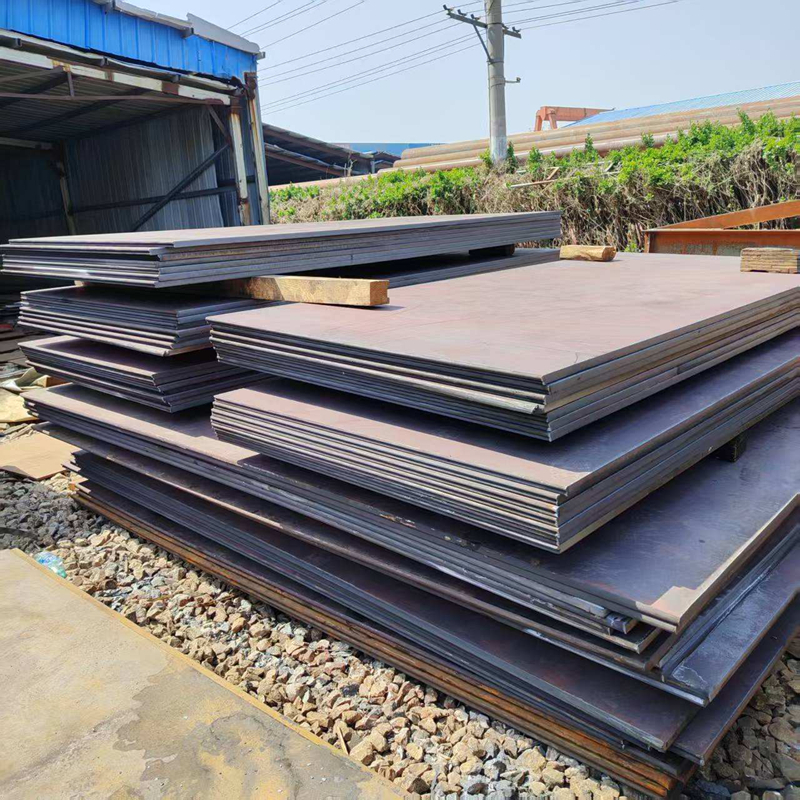
Boiler Plate
Product Overview
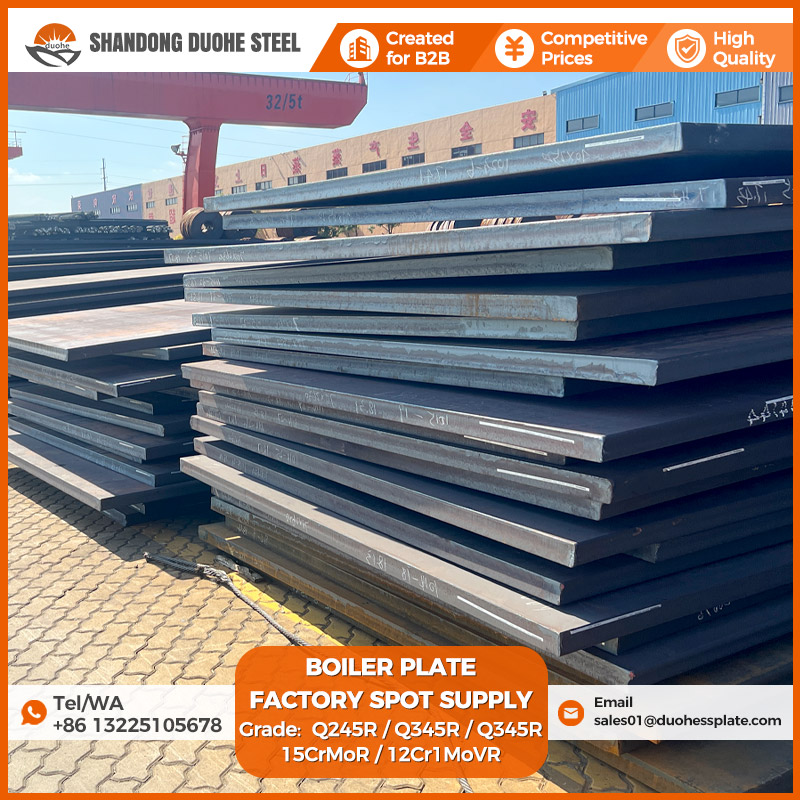
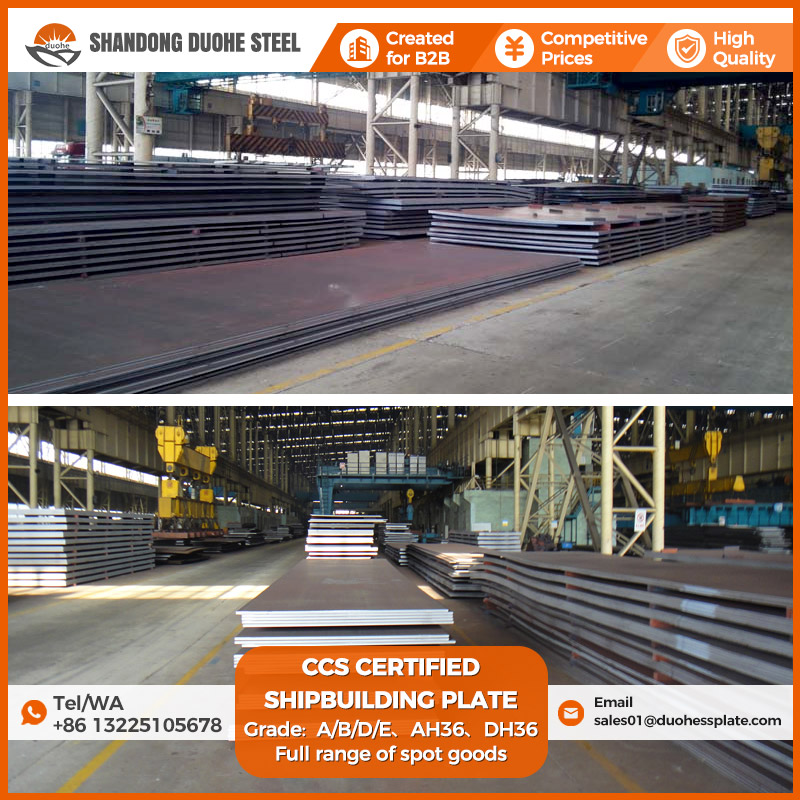
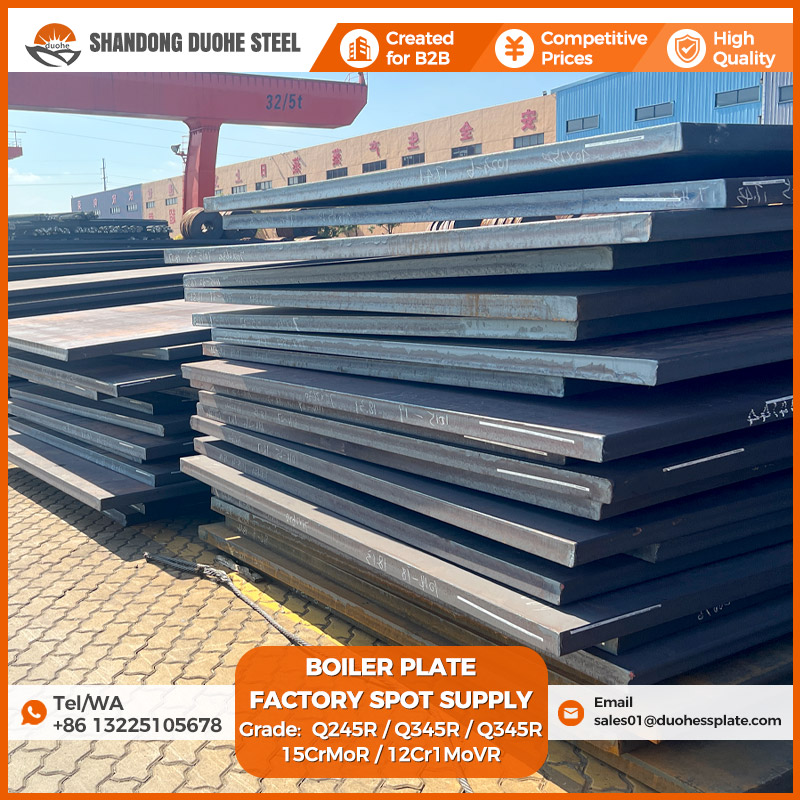
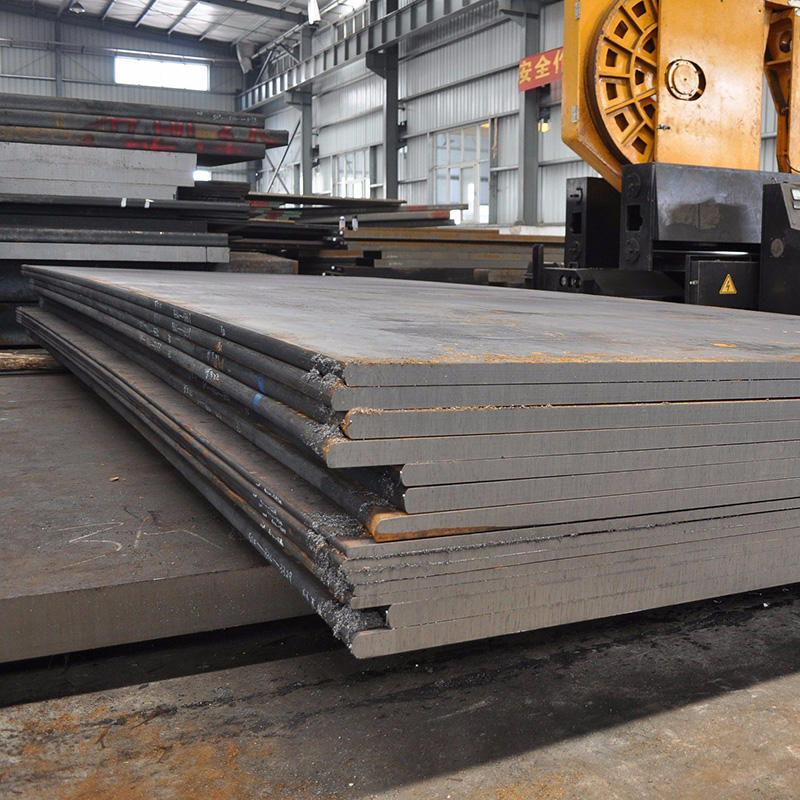
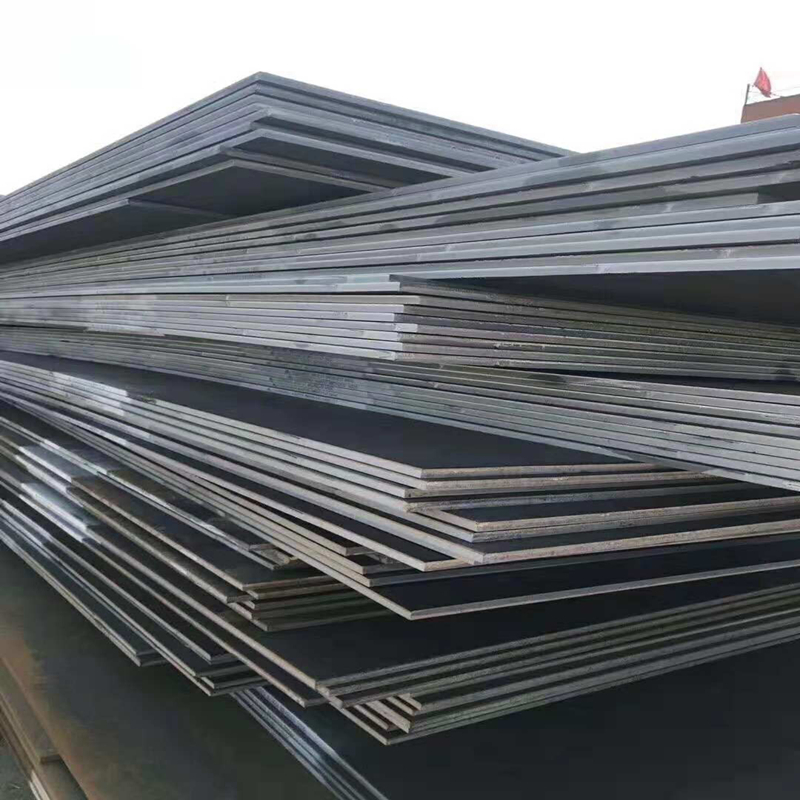
Carbon steel boiler plates are specialized metal sheets designed for boiler manufacturing and pressure vessel construction, mainly composed of iron and carbon with minimal alloying elements. They are featured with excellent high-temperature resistance, pressure-bearing capacity, weldability, and toughness, which can stably operate under medium-temperature (below 350°C) and high-pressure conditions without deformation or failure. With cost-effectiveness and wide applicability, they are the preferred material for your boiler-related projects in power, chemical, oil & gas, and shipbuilding industries.
Carbon steel boiler plate, renowned for its robustness and reliability, is a critical material for manufacturing various industrial equipment and structures—especially those requiring high-temperature and high-pressure resistance. Derived from its traditional application in boiler construction, it excels at withstanding extreme thermal and pressure conditions, a key advantage you need for stable project operation. Primarily made of low-carbon steel (with a carbon content typically between 0.12% and 0.20%), it possesses excellent tensile strength, enabling it to resist heavy loads and avoid deformation during long-term use. Common grades available for your selection include ASTM A515 Gr.60/65/70, GB Q245R/Q345R, EN P265GH/P355GH, JIS SB450/SPV355, and ASTM A516 Gr.60/70—all of which comply with international standards and are widely recognized in global trade. The addition of trace alloying elements (such as manganese, silicon) enhances its corrosion and wear resistance, while heat treatments like quenching and tempering further improve its mechanical strength and toughness, ensuring it meets the strict requirements of your industrial applications. Its versatility extends beyond boiler manufacturing, covering sectors such as construction (pressure vessels), automotive (heavy-duty components), and even light aerospace (auxiliary equipment), making it a cost-effective and multi-purpose material. Ultimately, its exceptional durability, standardized grades, and strong adaptability make it a preferred choice for buyers worldwide, guaranteeing the production of reliable, long-lasting industrial products.
ASME/ASTM Standards (Most Common for International Trade)
| Grade | Standard Thickness Range | Common Width Range | Common Length Range |
| SA516 Gr.55 | 4.8 - 200 mm (3/16" - 8") | 1200 - 3050 mm (48" - 120") | 6000 - 12200 mm (240" - 480") |
| SA516 Gr.60 | 4.8 - 200 mm (3/16" - 8") | 1200 - 3050 mm (48" - 120") | 6000 - 12200 mm (240" - 480") |
| SA516 Gr.65 | 4.8 - 200 mm (3/16" - 8") | 1200 - 3050 mm (48" - 120") | 6000 - 12200 mm (240" - 480") |
| SA516 Gr.70 | 4.8 - 200 mm (3/16" - 8") | 1200 - 3050 mm (48" - 120") | 6000 - 12200 mm (240" - 480") |
| SA515 Gr.60 | 6 - 150 mm | 1500- 4000 mm | 6000 - 18000 mm |
| SA515 Gr.70 | 6 - 150 mm | 1500- 4000 mm | 6000 - 18000 mm |
| SA537 Class 1 | 6 - 100 mm | 1500- 4000 mm | 6000 - 18000 mm |
| SA537 Class 2 | 6- 150 mm | 1500- 4000 mm | 6000 - 18000 mm |
Common Boiler Plate Standards & Grades
| Standard | Grade Designation | T. S. (MPa) | Y.S. (MPa) min. | Key Characteristics |
| ASTM A515/A515M | Grade 60 [415] | 415-550 | 220 | Carbon-silicon steel for higher-temperature service in welded boilers |
| Grade 65 [450] | 450-585 | 240 | ||
| Grade 70 [485] | 485-620 | 260 | ||
| ASTM A516/A516M | Grade 60 [415] | 415-550 | 220 | Excellent notch toughness for pressure vessels |
| Grade 65 [450] | 450-585 | 240 | ||
| Grade 70 [485] | 485-620 | 260 | ||
| EN 10028-2 | P265GH | 410-530 | 265 (≤16mm) | Non-alloy quality steel with specified elevated temperature properties |
| P295GH | 460-580 | 295 (≤16mm) | ||
| P355GH | 510-650 | 355 (≤16mm) | ||
| GB 713 | Q245R | 400-520 | 245 (≤36mm) | Carbon-manganese steel for low to medium-pressure boilers |
| Q345R | 490-630 | 345 (≤36mm) | Higher strength for elevated pressure applications |
How buyers should choose the right boiler plate
Match the grade to the design code and operating conditions: pressure, maximum working temperature, and minimum design temperature. Use required code (ASME I/II/D, EN, GB) as primary reference.
Confirm mechanical properties: yield and tensile strength for design, elongation for forming; request full MTR.
Specify impact testing and test temperature if the vessel will operate at low temperatures or where brittle fracture risk exists.
Specify welding and heat‑treatment needs in RFQ: required preheat, interpass temperature, PWHT, and WPS qualifications per ASME/EN.
Consider surface condition and internal cleaning procedures for steam/water circuits to avoid contamination and corrosion.
Typical applications (buyer‑focused)
Steam boilers (utility and industrial), hot water boilers and economizers.
Pressure vessels and heat exchangers in petrochemical and chemical plants.
Steam drums, headers, superheater elements and economizer housings.
Industrial furnace shells, reheaters and steam pipelines (where codes and temperatures permit).
Replacement plates and refurbishment parts for maintenance and overhaul.
FAQ — Frequently Asked Questions (for international buyers)
Q: What grades should I specify for boiler and pressure vessel plates?
A: Common international choices are ASTM A516 (Grades 60/65/70) for ASME applications, and EN 10028‑2 P235GH / P355NH / P355NL1 for European standards. In China GB/T Q235R / Q345R are commonly used. Select the grade that matches your design code and operating temperature/pressure requirements.
Q: How do I ensure the plate meets my pressure vessel design requirements?
A: Require a complete MTR (EN 10204 3.1/3.2) showing chemical composition, yield, tensile, elongation and hardness. Specify any required Charpy impact tests at the design minimum temperature. Ensure your fabricator’s WPS and PWHT procedures comply with the governing code.
Q: Are these plates weldable and do they need PWHT?
A: Most carbon boiler plates are weldable. PWHT is sometimes required depending on carbon equivalent, plate thickness and the governing code—especially for thick sections or where brittle fracture risk is present. Specify PWHT and preheat requirements in your purchase order and verify with supplier/fabricator.
Q: How should I store and handle boiler plates on site to avoid damage?
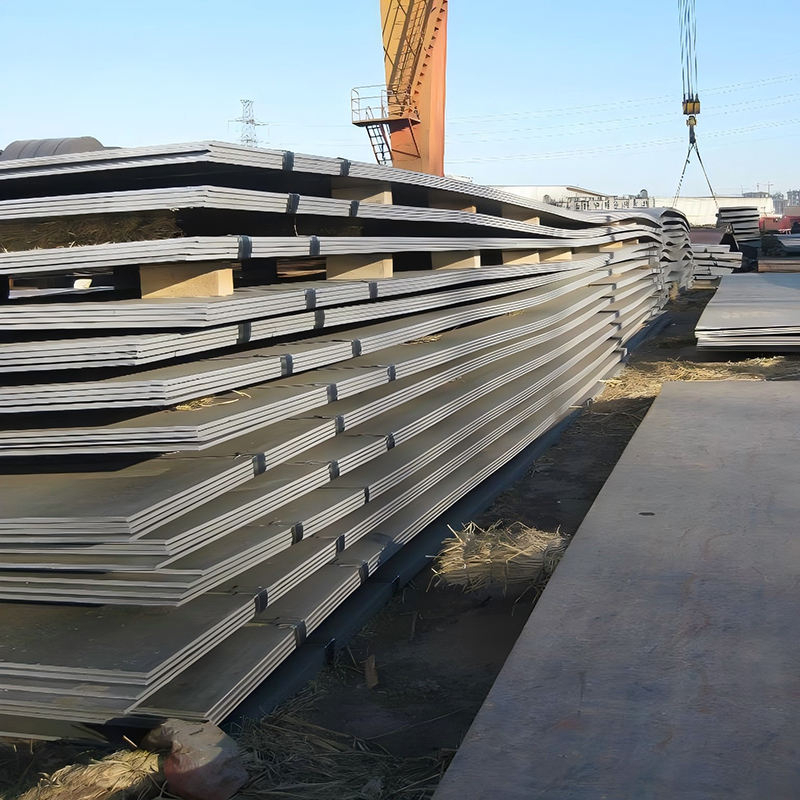
A: Store plates flat, elevated from the ground, covered and in a dry area. Use interleaving paper or VCI to prevent scratching and corrosion. Lift with spreader bars and slings—do not drag plates across surfaces. Apply temporary corrosion protection for long storage in humid or coastal climates.
Q: Can I substitute domestic grades for international ones?
A: Possibly, but only after checking MTRs for chemistry, mechanical properties and heat treatment. Direct equivalence by name is risky—always verify properties and compliance with your design code before accepting substitutions.
Q: What tests should I insist on for plates used in low temperature or high-pressure applications?
A: Require Charpy V‑notch impact tests at the specified minimum service temperature, full MTRs, UT for internal flaws, and possibly radiographic testing for critical welds. Third‑party inspection is recommended for high‑risk applications.
Q: Are boiler plates supplied coated?
A: They are often supplied as mill finish. Buyers can request shop primers, zinc/inorganic coatings or internal surface treatments—specify coating type and TDS requirements in the PO if needed.
Q: Can you provide sample coupons for welding and PWHT trials?
A: Yes—request sample coupons for welding trials, PWHT validation, and coating compatibility testing prior to full production. This is recommended for critical or unfamiliar supplier sources.
Contact our sales team today for a quotation or to discuss your project requirements. We are committed to providing high-quality shipbuilding plates that meet your exact specifications and delivery deadlines.
Your trusted partner in boiler and pressure vessel plates solutions.For further technical information, pricing, or customization, please contact our sales team:
Tel/WA/Wechat: +86 13225105678
Email: sales01@duohessplate.com
Previous:no more
Next:no more