
 Home
Home About Us
Pre‑painted Galvanized Coil
Product Overview
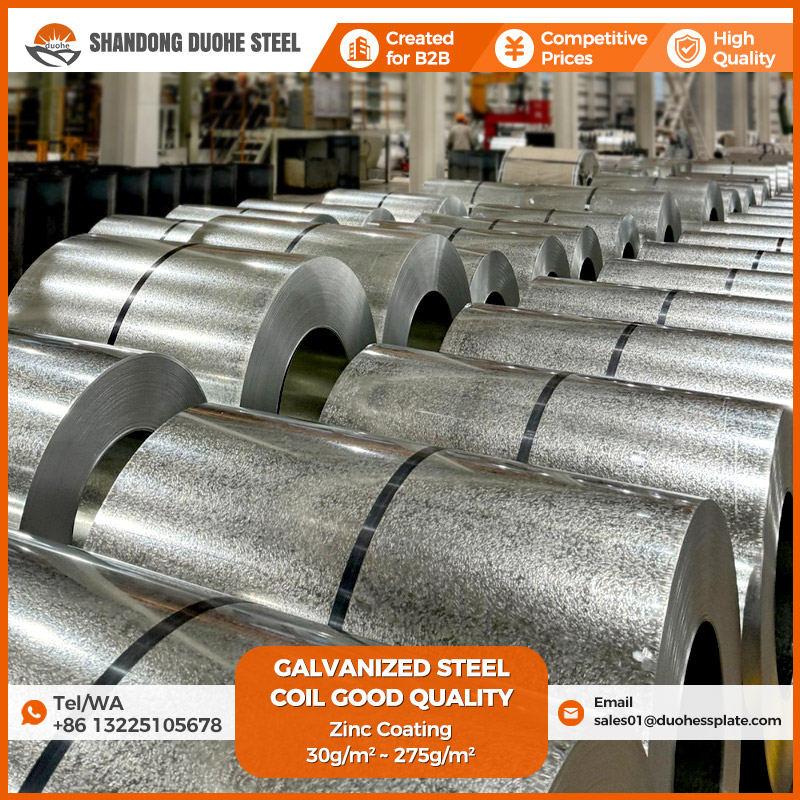
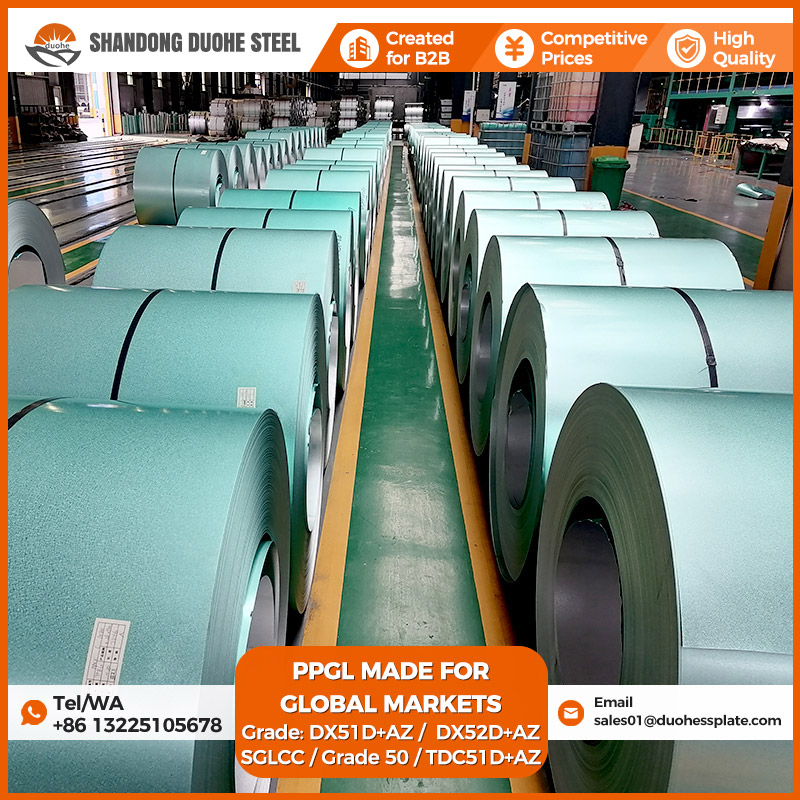
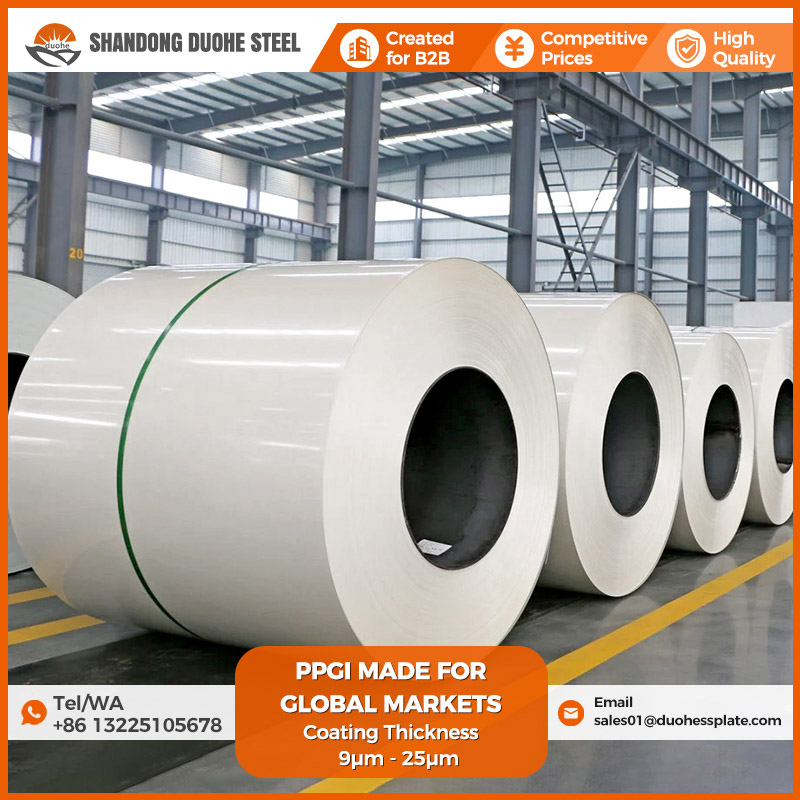
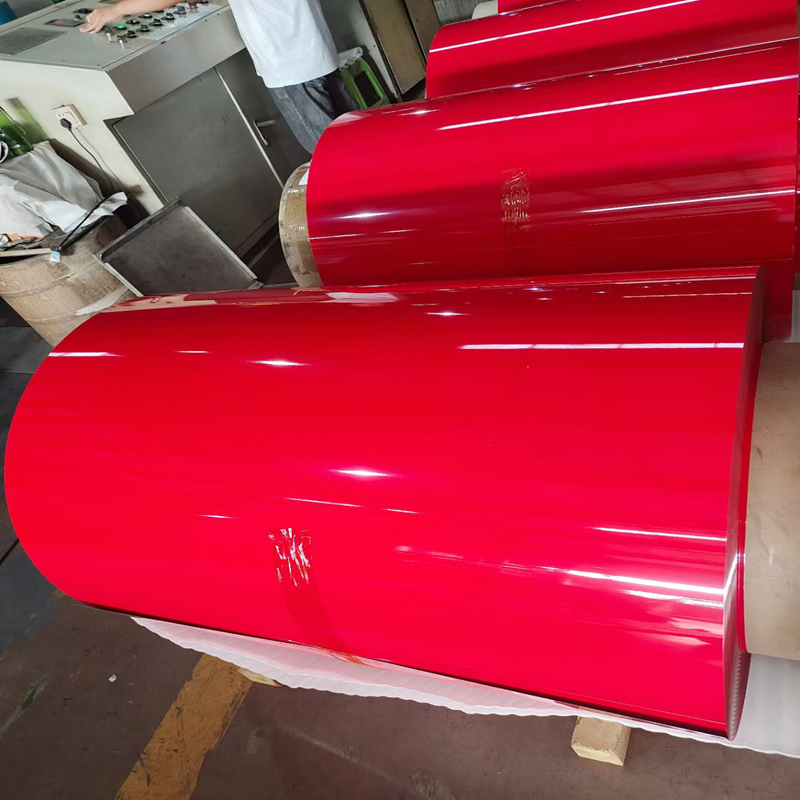
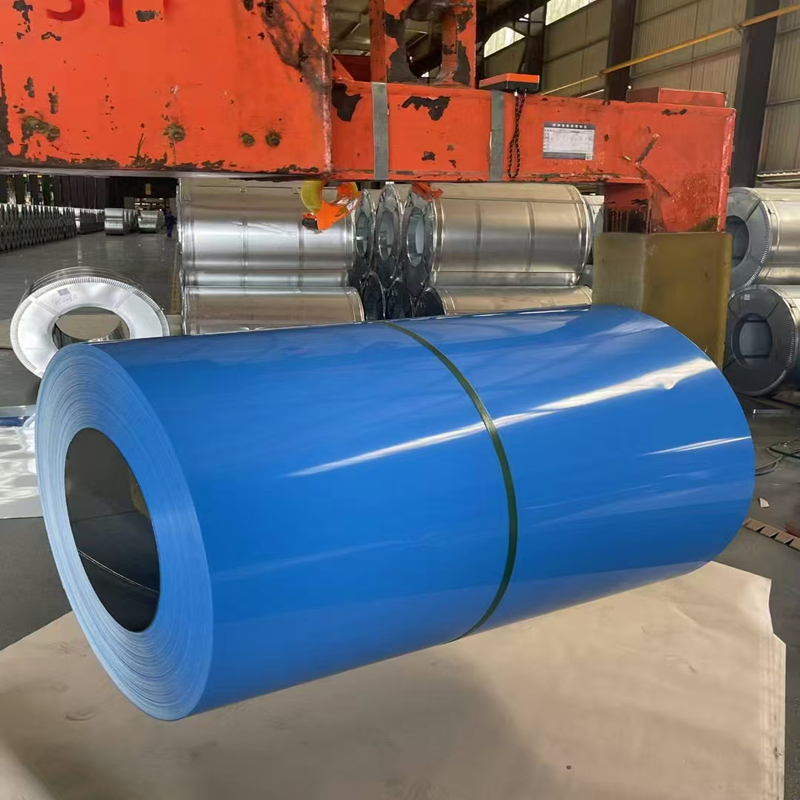
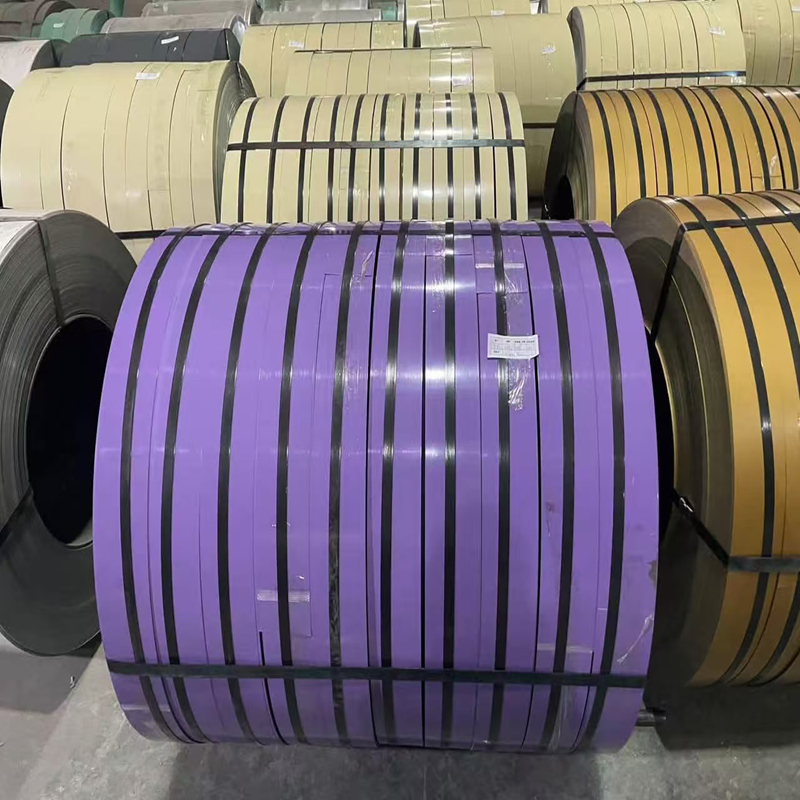
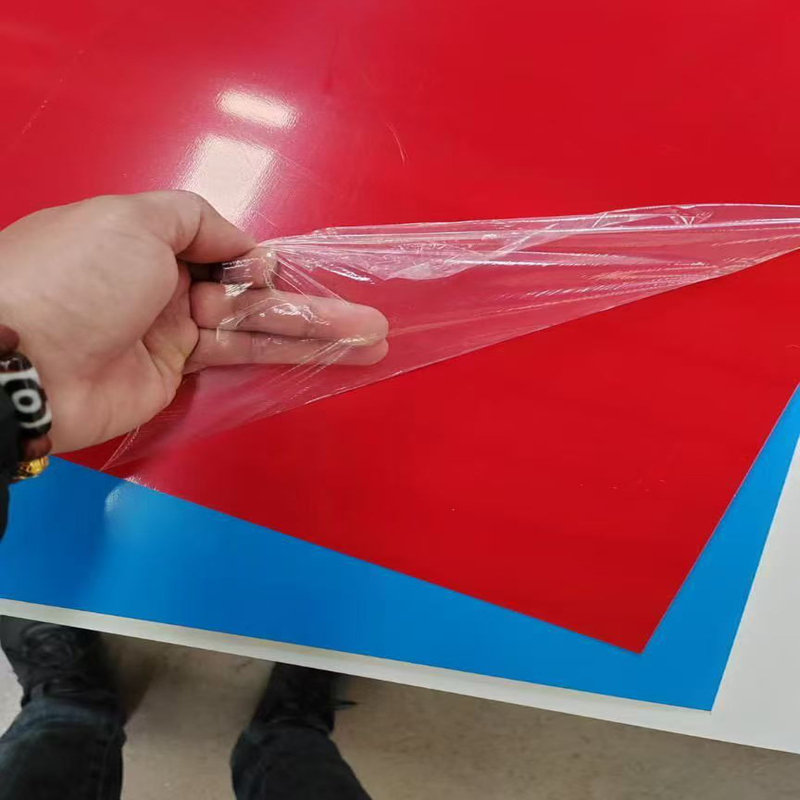
Our Prepainted Galvanized Steel Coil (PPGI) – also known as color coated steel – is a high-performance composite material that combines the strength of galvanized steel with the aesthetic appeal and protective benefits of advanced paint systems . Produced through a continuous process, high-quality galvanized steel (GI) or galvalume steel (GL) is coated with multiple layers of primer and finish paint in a controlled factory environment .
This process creates a metallurgically bonded product where the zinc coating provides sacrificial corrosion protection, while the organic paint layer adds an additional barrier against moisture, UV radiation, and chemical exposure. The result is a material that offers exceptional durability, design flexibility, and long-lasting color performance. Available in a vast range of colors (including RAL standards), gloss levels, and coating technologies, our PPGI is engineered to meet the specific demands of construction, appliance manufacturing, and industrial applications.
Quick Specification Table (Typical Options)
| Item | Typical Range / Options | Buyer Notes |
| Substrate / base metal | Galvanized steel (GI): HDG coil (hot‑dip galvanized) or electro‑galvanized (EG) | HDG provides more robust corrosion protection; specify coating mass (g/m²) |
| Thickness (substrate) | 0.12 mm – 2.0 mm (common: 0.2–1.2 mm) | Choose per forming and structural needs; thicker substrates resist denting |
| Zinc coating mass | Z60 – Z600 g/m² (common Z120, Z180, Z275) | Higher values for corrosive environments; specify as g/m² total (both sides) or per side per standard |
| Paint system | Primer + Topcoat (single or multi‑layer) | Common resins: polyester (PE), siliconized polyester (SPE), PVDF (PVF2), SMP (silicone modified polyester) |
| Coating thickness (total) | 10 – 35 μm (typical: 15–25 μm) | Thicker systems (e.g., PVDF) improve weathering/UV resistance; specify primer/topcoat thickness individually |
| Color & finish | RAL/Custom colors; gloss: matt (10–25 GU), semi‑gloss, high gloss (60+ GU) | Request color samples (PPGIs card) and ΔE tolerance for matching |
| Coil width | 600 mm – 1,500 mm (typical: 914 mm, 1,000 mm, 1,219 mm) | Confirm slit tolerance and edge condition (sheared, oiled, burrs) |
| Coil ID & OD | Inner core: 508 mm / 610 mm common; OD depends on coil weight | Specify core type (steel/plastic/cardboard) and core ID for your decoiler |
| Coil weight | 1 MT – 10+ MT (typical: 3–6 MT) | Verify transport handling limits and decoiler capacity |
| Slit/ Cut‑to‑length services | Available on request; slit width min ~45 mm | Slitting tolerance and camber control important for downstream lines |
| Surface treatment | Passivation, conversion coating (chromate or chromate‑free), oiling | For paint adhesion and corrosion resistance; specify chromate‑free if required |
| Standards & tests | EN, ASTM, JIS, GB standards as applicable; salt spray, QUV, cross‑cut adhesion | Define required test methods and acceptance criteria in RFQ |
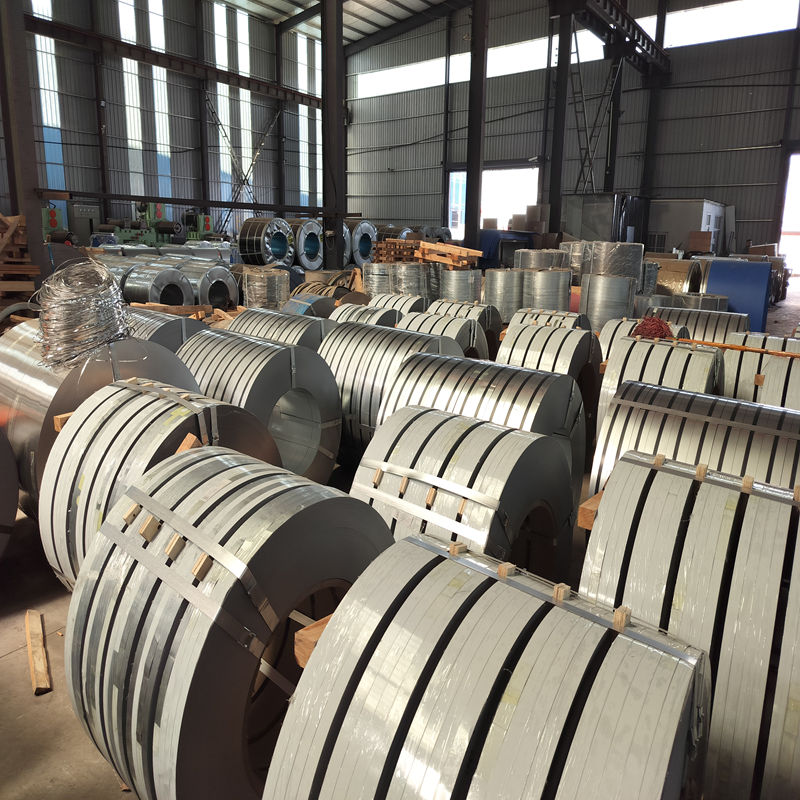
| Packing | Export standard: inner paper, plastic wrap, edge protection, steel straps, wooden/steel pallet | Label each coil with material, color code, batch no., MTR ref, and PO number |
| Certificates & inspection | MTR, coating test reports, color matching report, third‑party inspection (SGS/BV/Intertek) | Request documentation at RFQ stage |
| Lead time & MOQ | Stock colors: 7–21 days; custom colors/coatings: 14–45+ days | MOQ varies by color and coating type—negotiate for repeat orders |
Buyer Priorities Addressed
Fit for purpose: exact substrate (galvanized base metal), coating system (primer/topcoat), color and gloss to meet architectural or appliance needs.
Durability: corrosion protection (zinc mass), paint system longevity (film thickness, resin type), and UV/weather resistance.
Consistency: color tolerance (ΔE), coating thickness uniformity, surface defects minimization and repeatable coil‑to‑coil matching.
Process compatibility: slitting, roll forming, deep drawing, bending and embossing behaviors; coil weight and inner core specs for line feeding.
Compliance & traceability: MTR for base steel, coating formulation data, RoHS/REACH if required, third‑party testing and inspection.
Commercial & logistics: MOQ, lead time, export packing, labeling and documentation for customs and assembly lines.
Paint Coating Systems & Durability Classification
| Paint Type | Durability Class | Key Characteristics | Typical Application |
| Polyester (PE) | Class 1–2 | Good formability and color retention; economical choice | General construction, roofing, interior applications |
| Silicon Modified Polyester (SMP) | Class 2 | Enhanced durability and chalk resistance compared to PE | Architectural cladding, industrial buildings. |
| High Durability Polyester (HDP) | Class 2–3 | Superior UV resistance and color retention | Premium construction, coastal environments . |
| Polyvinylidene Fluoride (PVDF) | Class 3 | Exceptional weather resistance; excellent color and gloss retention (80%+ for decades); | High-end architectural, landmark buildings, marine environments . |
| Polyurethane (PU) | Class 2–3 | Good chemical resistance; flexibility | Industrial applications, appliances |
Durability Class definitions:
Class 1: 200 hours salt spray resistance (one-coat systems)
Class 2: 500 hours salt spray resistance (two-coat systems)
Class 3: 2000+ hours salt spray resistance; 1500+ hours accelerated weathering (premium multi-coat systems)
Common Applications (buyer‑centered)
Building envelopes: roofing sheets, wall cladding, gutters and flashings—color consistency and weatherability are critical.
Architectural façades & metal panels: require accurate color match, gloss level and formability for multiply panels.
Appliances & white goods: interior/exterior panels where smooth finish and consistent color are required.
HVAC ducts & components: often need specific coil sizes and coatings for corrosion control and appearance.
Automotive/transport components (non‑structural): trim, liners and decorative panels.
Furniture & shelving: consistent coating and formability for retail and industrial furniture.
Signage & roll‑formed profiles: where vivid color and uniform coating thickness matter.
FAQ — Frequently Asked Questions (for International Buyers)
Q: What is the difference between pre‑painted galvanized (PPGI) and pre‑painted galvalume (PPGL)?
A: PPGI uses a zinc coated steel substrate (GI) while PPGL uses a Zn‑Al alloy coating (Galvalume). PPGL generally offers slightly better corrosion performance and heat reflectivity; PPGI is often preferred where classic zinc sacrificial protection and lower cost are priorities. Specify substrate depending on corrosion exposure and thermal requirements.
Q: How do I specify color and ensure color consistency across lots?
A: Provide an exact RAL/BS/Custom color with a master sample. Request ΔE tolerances (e.g., ΔE < 2) and gloss unit specifications. Ask the supplier to retain the master batch and provide spectrophotometer readings for each coil batch.
Q: Which paint system should I choose for exterior roofing versus indoor appliance panels?
A: For long‑term exterior use (roofing/façade), PVDF (70% PVDF) offers the best weatherability and color retention. For indoor appliances, polyester or siliconized polyester (SMP) is often adequate and more cost‑effective. Balance performance with budget and expected service life.
Q: What zinc coating mass should I request for coastal or industrial environments?
A: In severe coastal/industrial areas, specify higher zinc mass like Z275 or above; for moderate exposures Z120–Z180 is common. Pair higher zinc mass with appropriate paint system for best longevity.
Q: Can PPGI be roll‑formed, deep‑drawn or embossed?
A: Yes—PPGI is widely roll‑formed and deep‑drawn, but forming performance depends on substrate thickness, paint film thickness and resin type. Request forming tests (T‑bend, draw depth) and specify maximum bend radius and forming conditions in the RFQ.
Q: How do you measure coating thickness and quality?
A: Zinc coating mass is usually given in g/m² per standards (EN/ASTM). Organic coating thickness is measured in micrometers (μm) using non‑destructive gauges. Adhesion (cross‑cut), bend/mandrel tests and salt spray/QUV tests measure durability.
Q: How should I store PPGI coils to avoid damage?
A: Store coils in a dry, ventilated area off the ground on pallets or cradles. Protect from condensation and do not stack coils without separation. Keep away from aggressive chemicals and avoid prolonged outdoor storage.
Q: What tolerances should I expect for thickness, width and camber?
A: Tolerances depend on the agreed standard. Typical substrate thickness tolerances are per EN/ASTM/GB standards. Width slitting tolerances commonly ±0.3–1 mm depending on width and mill. Specify required tolerances in the PO if tight control is needed.
Contact our sales team today for a quotation or to discuss your project requirements. We are committed to providing high-quality PPGI that meet your exact specifications and delivery deadlines.
Your trusted partner in Color-coated galvanized coils solutions.For further technical information, pricing, or customization, please contact our sales team:
Tel/WA/Wechat: +86 13225105678
Email: sales01@duohessplate.com
Previous:no more
Next:no more