
 Home
Home About Us
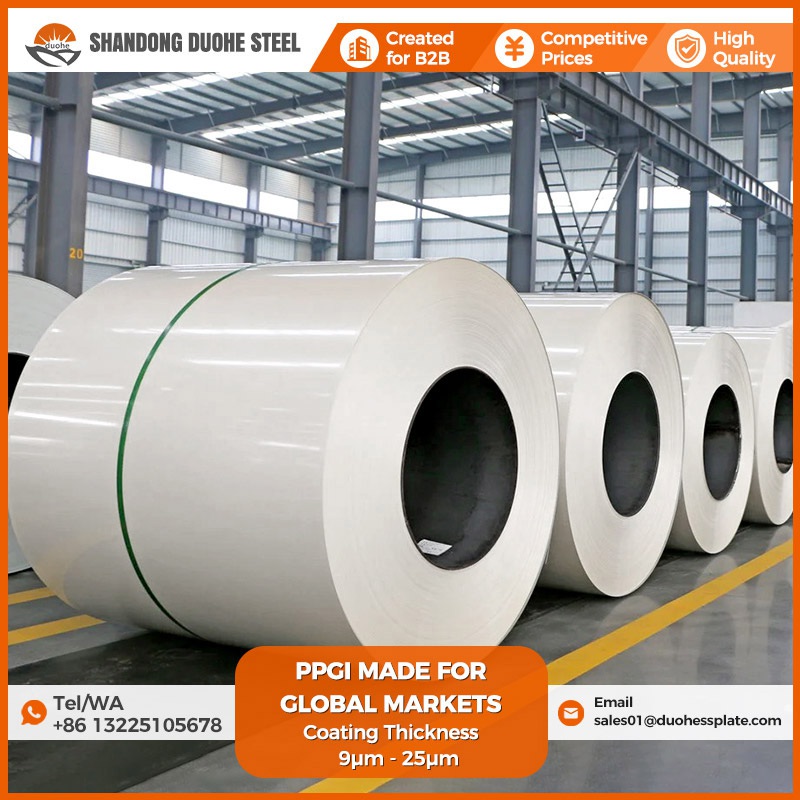
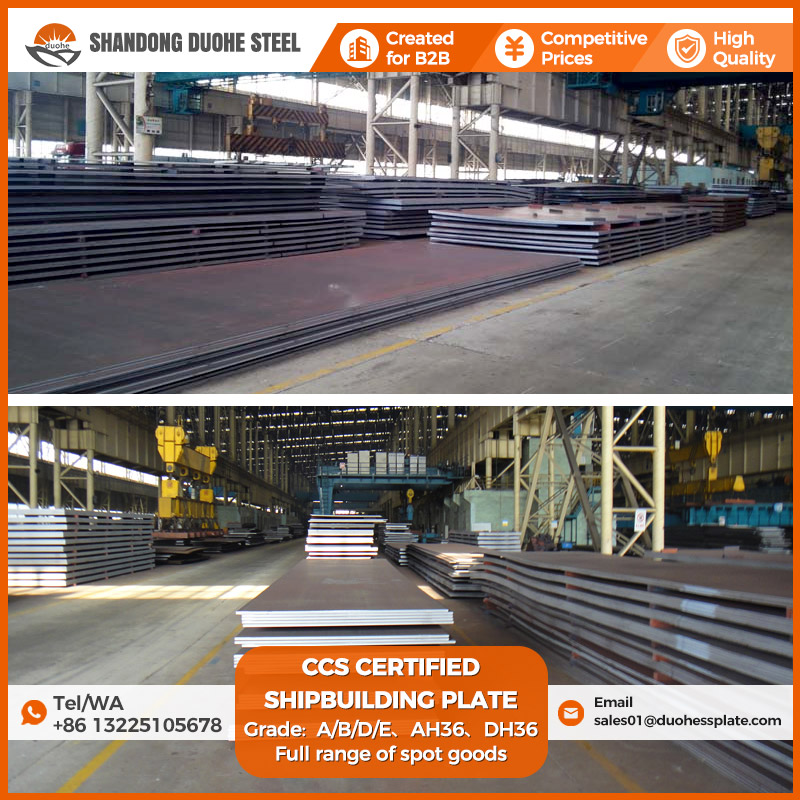
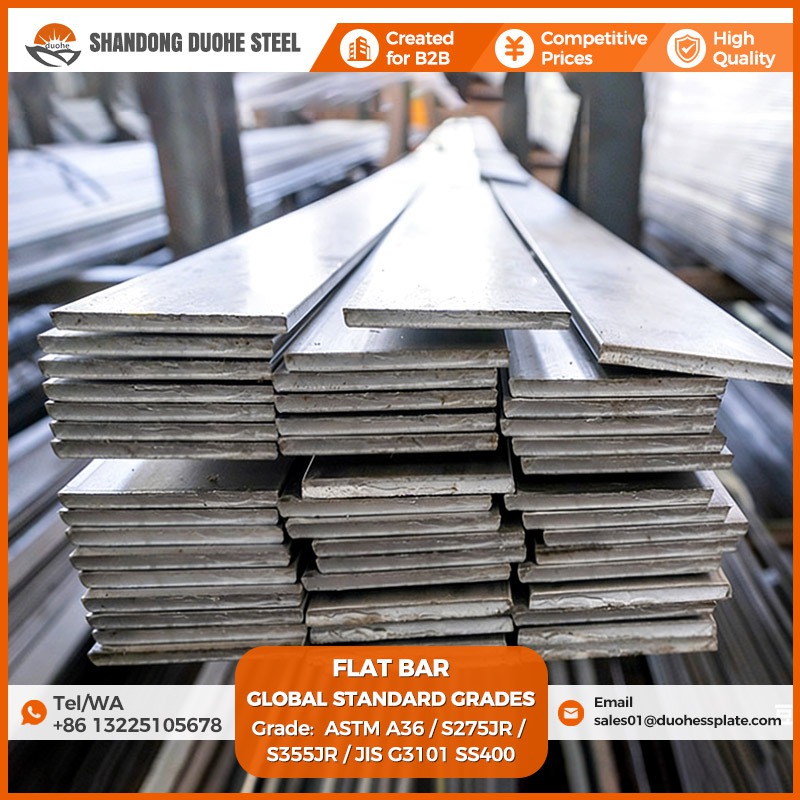
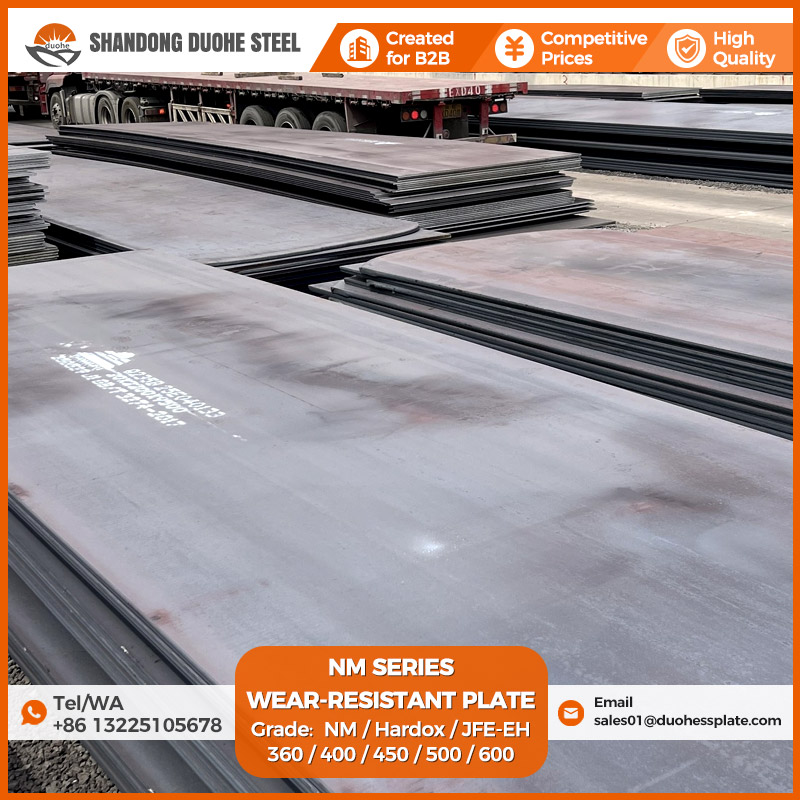
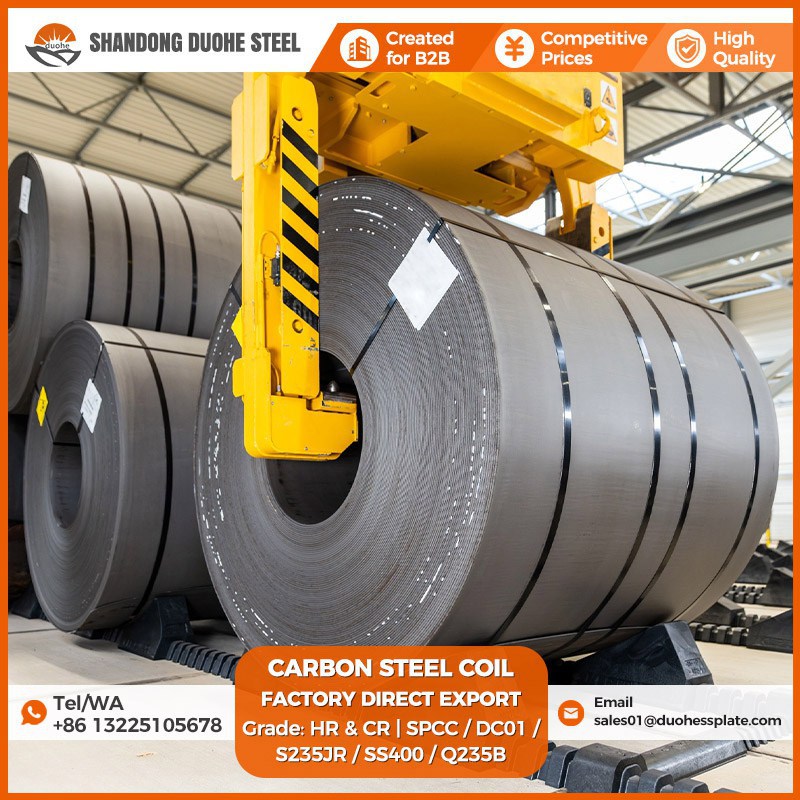
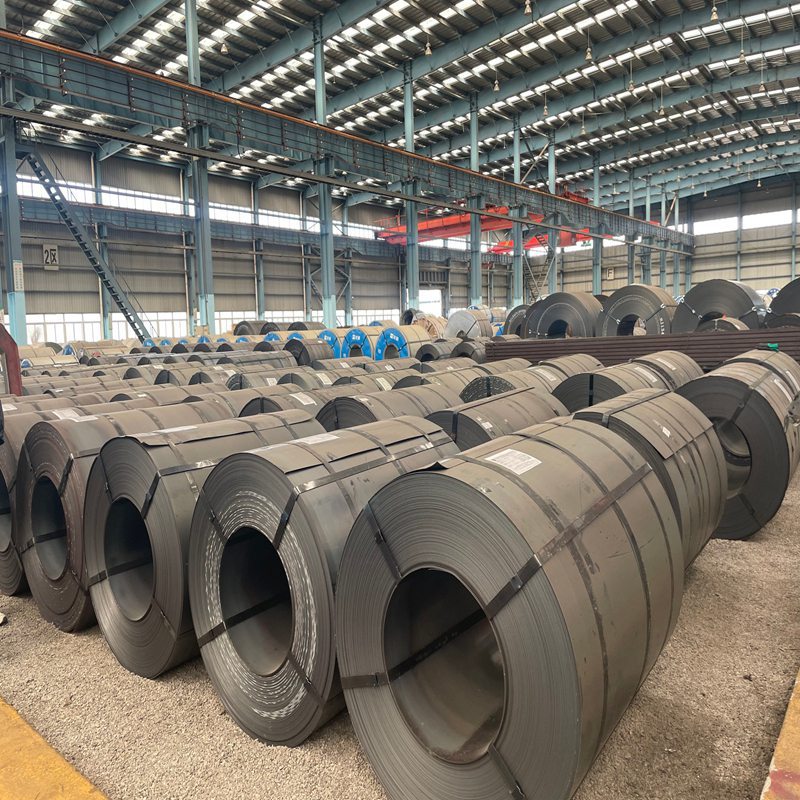
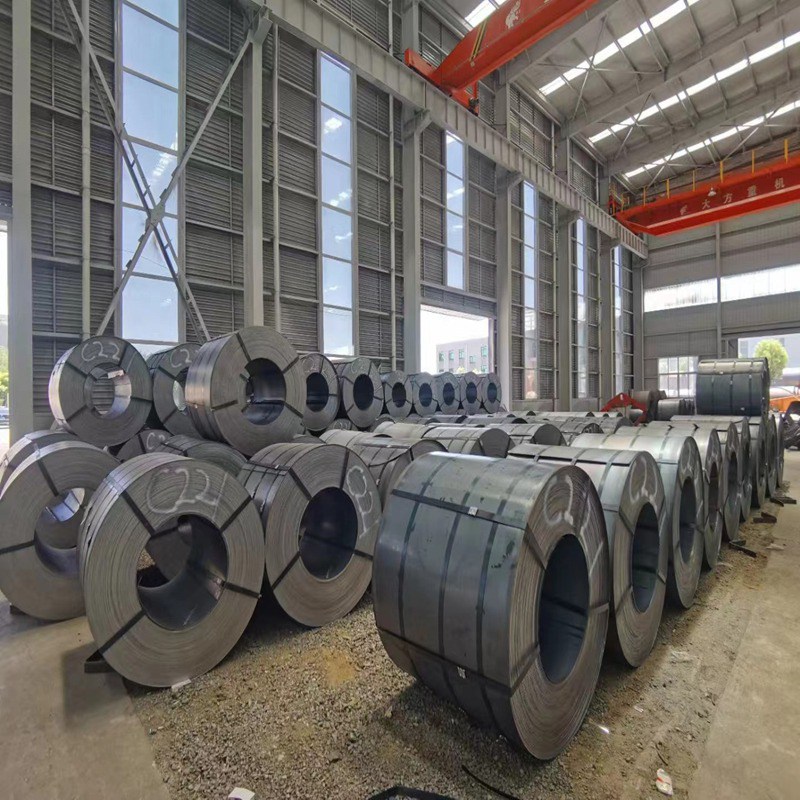
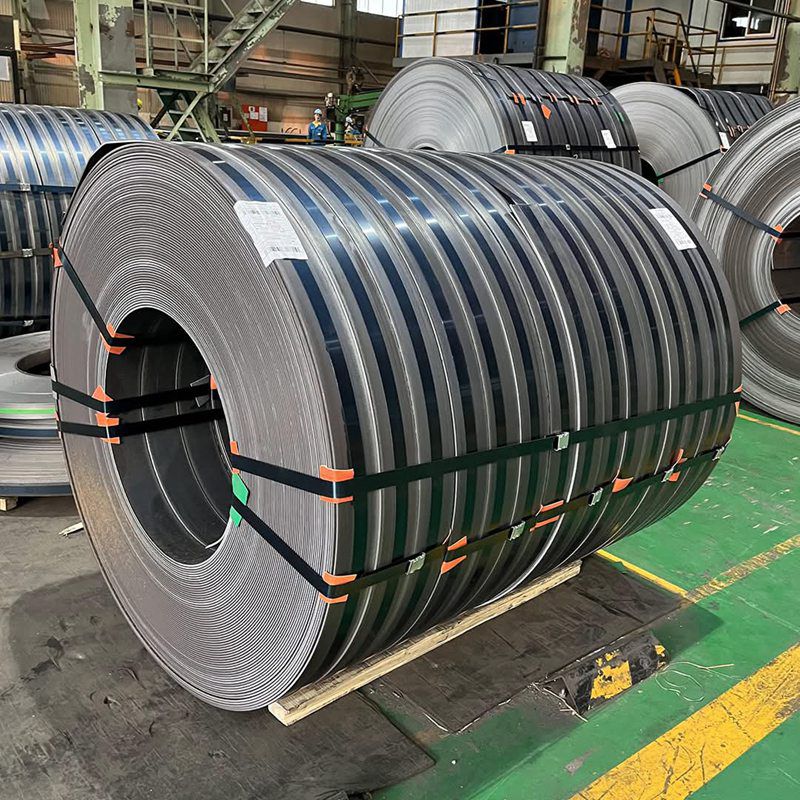
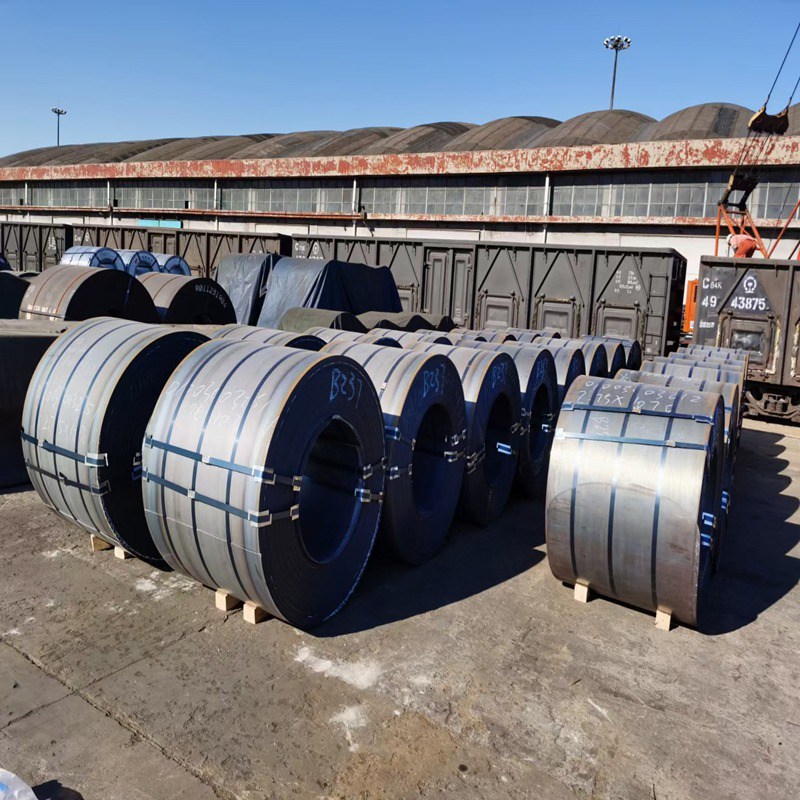
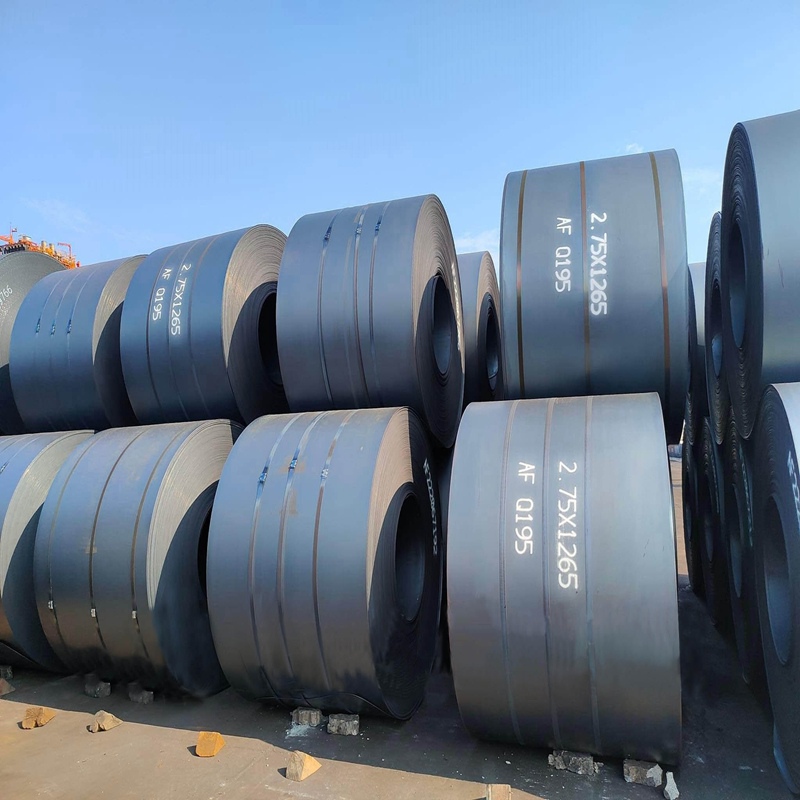
Carbon Steel Coil
What Are Carbon Steel Coils?
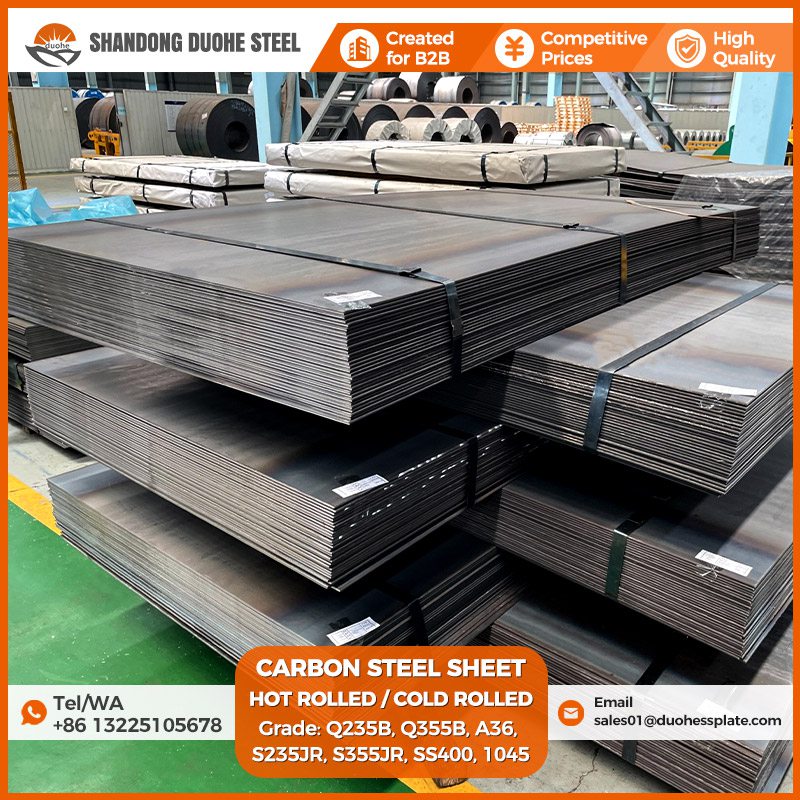
Carbon steel coils are continuous strips of steel produced by hot rolling or cold rolling processes, with carbon as the primary alloying element (typically 0.04% to 2.1% carbon content) . They are classified based on carbon content, which directly influences mechanical properties and applications:
| Classification | Carbon Content | Key Characteristics | Typical Applications |
| Low-Carbon Steel (Mild Steel) | ≤0.25% | Excellent weldability, high ductility, good formability, lower strength | Automotive bodies, appliances, general fabrication, pipes |
| Medium-Carbon Steel | 0.26% – 0.60% | Balanced strength and ductility, good wear resistance | Machinery parts, gears, shafts, railways |
| High-Carbon Steel | 0.61% – 1.5% | High strength and hardness, lower ductility, wear-resistant | Cutting tools, springs, industrial blades |
High Strength: Excellent load-bearing capacity for structural applications
Cost-Effective: More affordable than stainless steel or other alloys, ideal for mass production
Excellent Formability: Can be easily shaped into a wide range of products
Versatility: Available in hot-rolled, cold-rolled, and coated finishes
High Tensile Strength: Suitable for demanding structural applications
Key Specifications: Understanding the Dimensions
When sourcing carbon steel coils, precise dimensional specifications are critical for compatibility with your downstream processing equipment. Below are standard specification ranges compiled from industry suppliers.
| Specification | Typical Range / Options | Buyer Considerations |
| Thickness | Hot-Rolled: 1.2 mm – 25.4 mm | Thinner gauges for stamping and forming; thicker for structural applications. Mechanical properties vary with thickness |
| Cold-Rolled: 0.15 mm – 3.5 mm | ||
| Heavy Plate: Up to 100 mm+ | ||
| Width | 600 mm – 2,500 mm (standard) | Wider coils improve production efficiency but require larger handling equipment. Consider your decoiler capacity. |
| Slit widths available from 20 mm | ||
| Coil Inner Diameter (ID) | 508 mm (20"), 610 mm (24") common standards | The ID must match your unwinder/decoiler mandrel size. |
| Coil Outer Diameter (OD) | Up to 2,000 mm (variable based on weight) | Your facility's handling capacity and storage space determine maximum acceptable OD. |
| Coil Weight | 3 – 34 metric tons per coil, customizable | Consider your forklift capacity and coil handling equipment. MOQ typically 5 tons for standard grades |
Carbon steel coils are produced in two primary forms, each with distinct characteristics for different applications:
| Form | Production Process | Key Characteristics | Typical Applications |
| Hot-Rolled Coil (HRC) | Rolled at high temperatures above recrystallization | Scaled surface, less precise tolerances, lower cost, excellent strength | Structural components, bridges, shipbuilding, pipes, heavy machinery |
| Cold-Rolled Coil (CRC) | Hot-rolled material further processed at room temperature | Smooth surface finish, tighter tolerances ( ±0.05mm), enhanced strength, higher cost | Automotive panels, appliances, furniture, electronics, precision components |
FAQ (For Carbon Steel Coil Buyers)
Q1: What are the key factors affecting the formability of carbon steel coils, and how do you ensure they meet our stamping or bending process requirements?
A1: The formability of carbon steel coils is mainly determined by their carbon content, temper state, and surface roughness. For low-carbon steel coils (e.g., ASTM A1011, GB Q195), we control the carbon content within 0.15%-0.25% and adopt full annealing (O temper) to ensure excellent ductility and bending performance. All coils undergo surface pickling and oiling treatment to reduce friction during stamping, avoiding scratches or cracks. We also provide detailed mechanical property reports (including tensile strength, yield strength, and elongation) to confirm compatibility with your processing equipment.
Q2: What quality inspection standards do your carbon steel coils comply with, and what certificates can you provide for international trade?
A2: Our carbon steel coils fully comply with international standards such as ASTM A1011, EN 10130, GB/T 700, and JIS G3131. Each batch of products is subject to strict quality inspection, including chemical composition analysis, dimensional accuracy detection, and surface defect inspection. We provide MTC (Material Test Certificate) in accordance with EN 10204 3.1/3.2 standards as standard. Additionally, we can provide ISO 9001 quality management system certification, CE certification (for European markets), and SGS/CCIC third-party inspection reports upon your request to meet customs clearance and project acceptance requirements.
Q3: How do you control the surface quality of carbon steel coils, especially to avoid rust, scratches, or oxide scales?
A3: We adopt a multi-stage surface treatment process: first, hot-rolled coils are pickled to remove oxide scales; then, they are passivated to form a protective film against rust; finally, they are coated with anti-rust oil and wrapped with PE moisture-proof film, kraft paper, and steel tape. For sea transportation, we add waterproof covers and desiccants to prevent salt spray and moisture erosion. During loading and unloading, we use anti-collision buffers to avoid scratches. Our packaging meets international export standards, ensuring the coils arrive in intact condition.
Q4: What is the difference between hot-rolled and cold-rolled carbon steel coils, and how should we choose based on our application?
A4: Hot-rolled carbon steel coils (produced at 1000℃+ ) have higher thickness tolerance (0.3mm-15mm), good toughness, and lower cost, suitable for construction, machinery parts, and packaging. Cold-rolled carbon steel coils (produced at room temperature) have higher dimensional accuracy, smoother surface, and better formability, suitable for automotive parts, precision stamping, and decorative applications. We can recommend the most suitable type based on your specific application, processing requirements, and cost budget.
Q5: For bulk orders, what is your lead time, and how do you ensure on-time delivery for our project schedule?
A5: For standard specifications and grades (in stock), the lead time is 5-7 working days. For customized specifications (e.g., non-standard width, thickness, or surface treatment) or bulk orders (≥50 tons), the lead time is 12-20 working days, depending on the production schedule. We have a dedicated production scheduling team to track the production progress in real time, and we cooperate with professional international logistics companies to choose the optimal shipping route. We will provide you with a detailed delivery schedule and real-time logistics updates to ensure the coils arrive on time to match your project or production plan.
Q6: Can you provide customized cutting or slitting services for carbon steel coils, and what are the relevant specifications?
A6: Yes. We provide professional cutting and slitting services to match your production line requirements. Slitting width can be customized from 100mm to 2000mm, with a tolerance of ±0.5mm. Cutting length can be adjusted from 1m to 12m, and we can also provide coil cutting into sheets as needed. The slitting and cutting process is completed by automatic equipment to ensure uniform size and smooth edges, reducing your on-site processing time and waste.
Contact our sales team today for a quotation or to discuss your project requirements. We are committed to providing high-quality carbon steel coil that meet your exact specifications and delivery deadlines.
Your trusted partner in carbon steel solutions.For further technical information, pricing, or customization, please contact our sales team:
Tel/WA/Wechat: +86 13225105678
Email: sales01@duohessplate.com
Previous:no more
Next:no more