
 Home
Home About Us
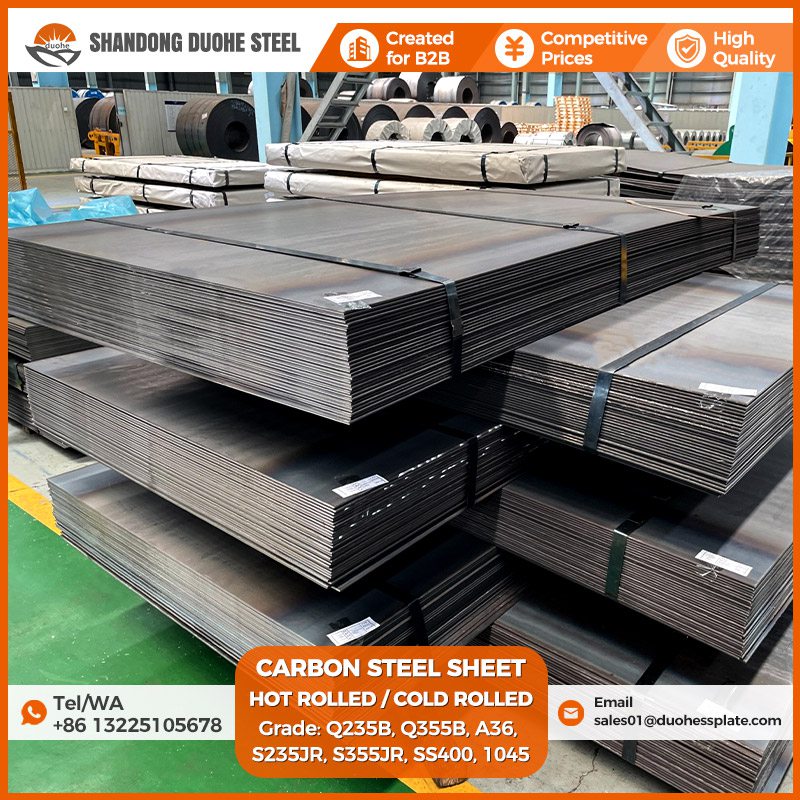
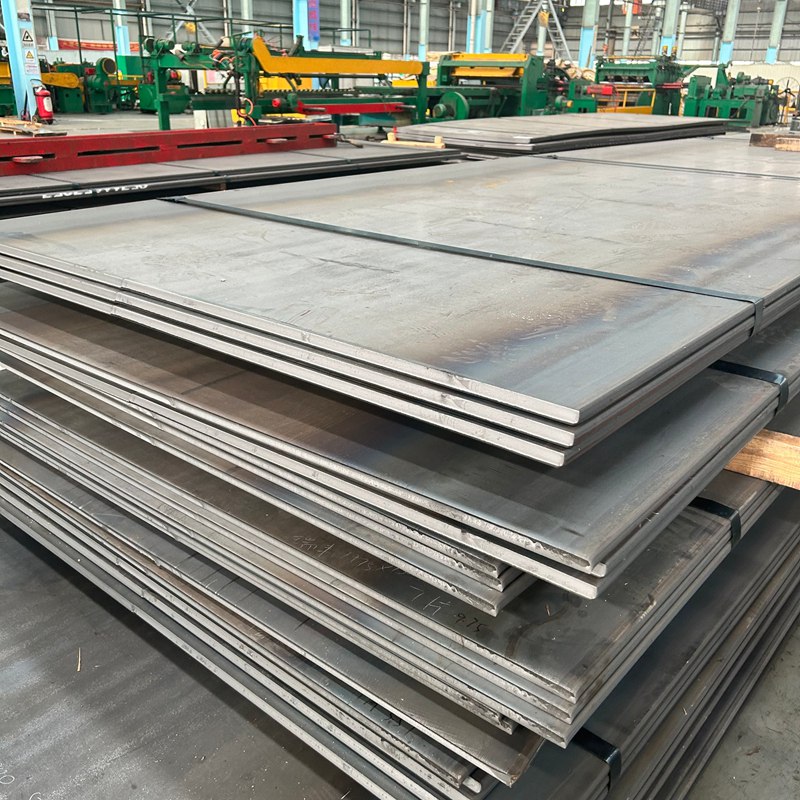
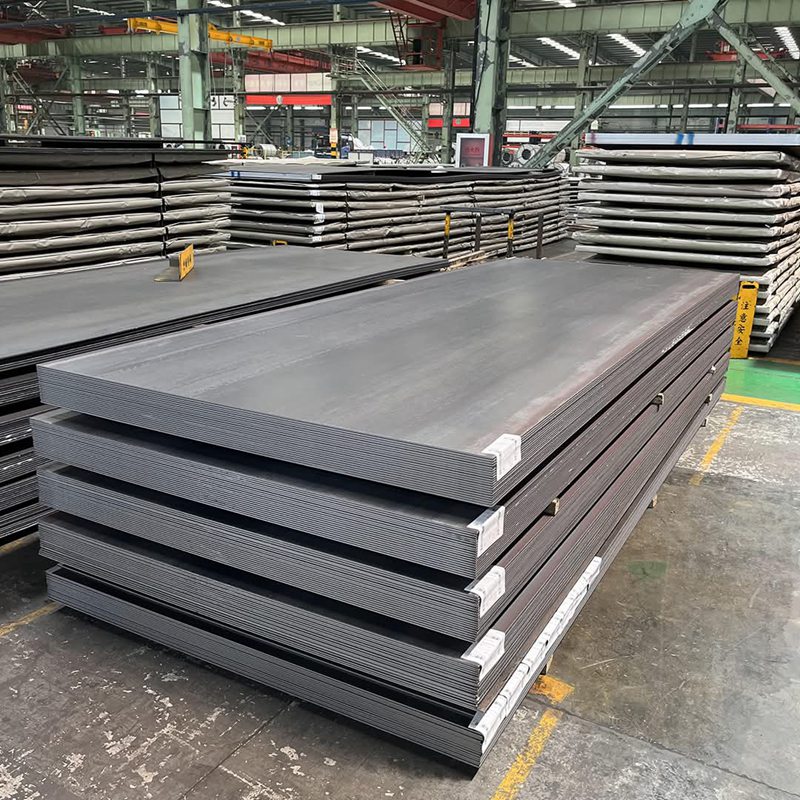
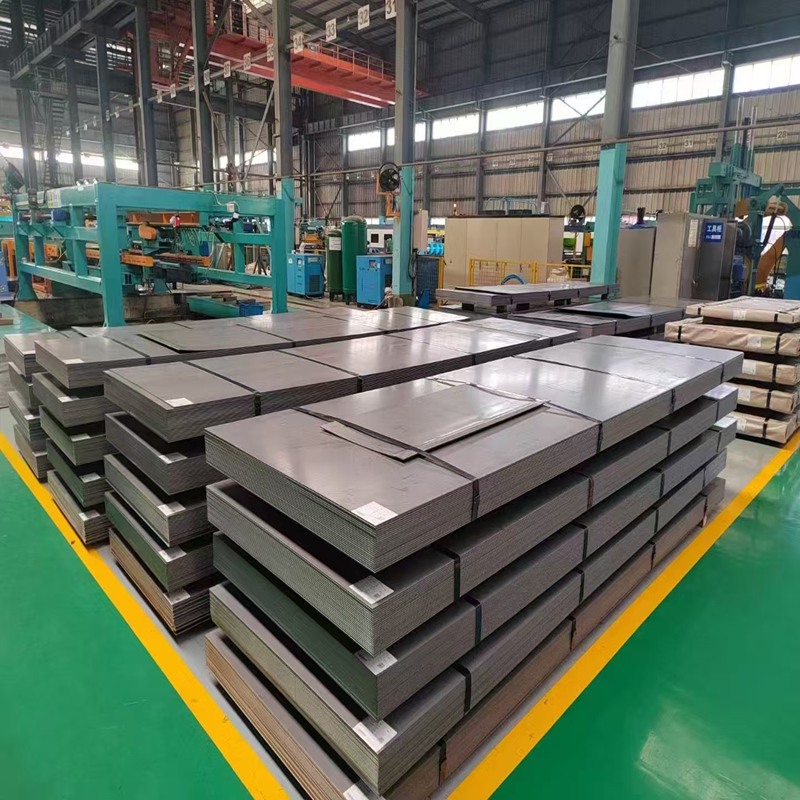
Carbon Steel Sheet
Product Overview
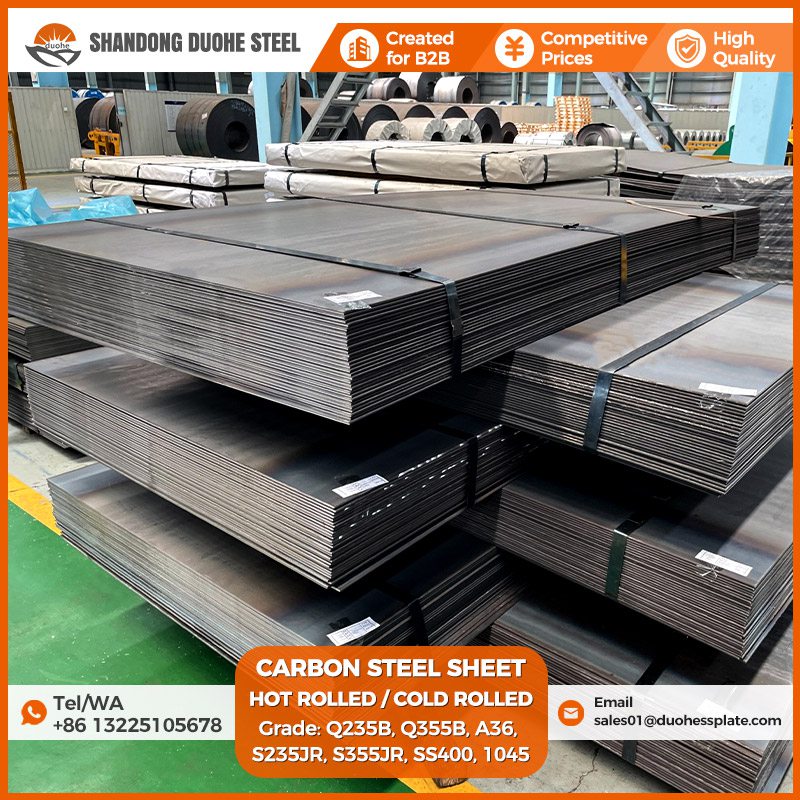
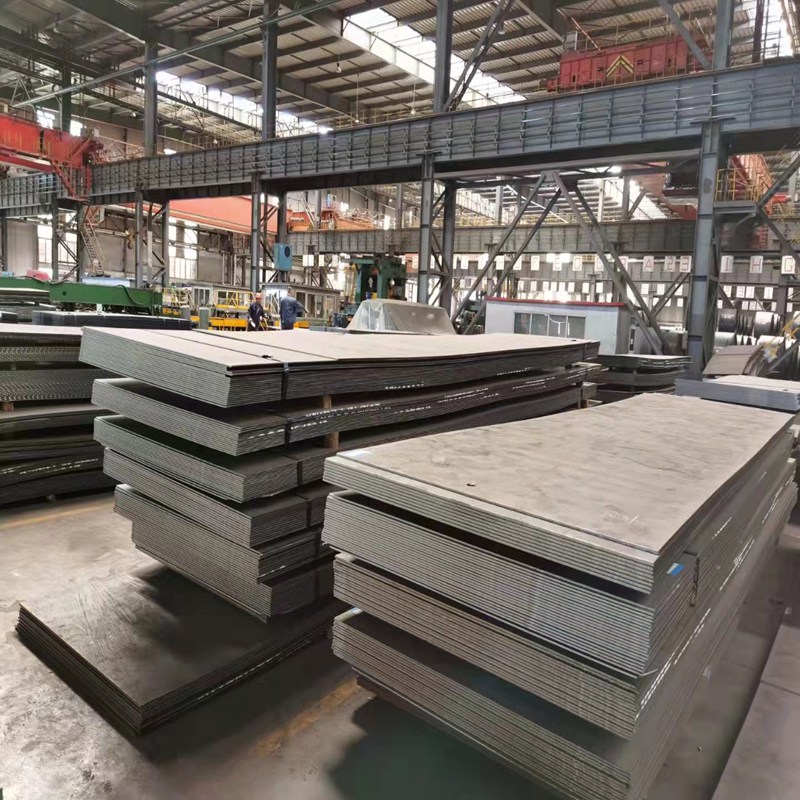
Carbon steel plates are high-strength metal sheets made of carbon steel (iron-carbon alloy), which are widely used in global manufacturing and engineering projects due to their excellent mechanical properties, low cost, and easy processing. They are characterized by high tensile strength, good toughness, wear resistance, and weldability, and can be further processed (cutting, bending, welding, stamping) to meet the diverse needs of different industries. Carbon steel plates are divided into low-carbon steel, medium-carbon steel, and high-carbon steel according to carbon content, each with unique properties to adapt to different application scenarios—from general structural use to high-load, high-temperature industrial applications.
For international buyers, carbon steel plates are a cost-effective and versatile core material, especially suitable for large-scale projects and mass production. We fully understand that your procurement priorities include consistent quality, compliance with local standards, easy grade substitution, and competitive pricing. Our carbon steel plates comply with mainstream international standards (ASTM, EN, GB, JIS), with common grades covering ASTM A36, A283 Gr.C, A516 Gr.60, GB Q235B, Q355B, EN S235JR, S355JR, JIS SS400, etc. These grades are widely recognized in global trade, ensuring seamless substitution with local materials and reducing your inventory and production risks. Whether you are engaged in construction, machinery manufacturing, shipbuilding, or pipeline projects, our carbon steel plates can balance performance and cost, helping you improve product quality and reduce project costs. With strict quality control from raw material selection to production and inspection, we guarantee that each batch of products meets the required mechanical properties and dimensional accuracy, ensuring the stability and safety of your projects.
Key Specifications (Customizable for Your Project Needs)
We provide standard specifications that comply with international standards (ASTM, EN, GB, JIS) and support full customization according to your project drawings, processing equipment, and application requirements. The following are the common specifications most carbon steel plate buyers choose, covering the main types and application scenarios:
| Item | Specification Range | Common Standards | Buyer-Focused Note |
| Thickness | 3mm - 200mm (common), up to 500mm (customized) | ASTM A36, EN 10025, GB/T 700, JIS G3101 | Thickness tolerance ≤ ±0.05mm (thin plate) / ±0.1mm (thick plate), ensuring uniform processing |
| Width | 1000mm - 2500mm (standard), up to 4000mm (customized) | ASTM A36, EN 10025, GB/T 700, JIS G3101 | Customizable width to reduce cutting waste and improve production efficiency |
| Length | 2000mm - 12000mm (standard), customizable (cut to length) | International Trade Standard | Cut-to-length service available to reduce on-site processing work |
| Carbon Content | Low-carbon (≤0.25%), Medium-carbon (0.25%-0.60%), High-carbon (>0.60%) | ASTM A36, EN 10025, GB/T 700, JIS G3101 | Low-carbon for general structure; High-carbon for high-strength, wear-resistant parts |
| Surface Treatment | Mill Finish, Hot-Dip Galvanized, Cold-Dip Galvanized, Paint-Coated, Pickled | International Trade Standard | Galvanized/paint-coated plates for anti-rust, suitable for outdoor/harsh environments |
Manufacturing Forms: Hot Rolled vs. Cold Rolled
Carbon steel plates are produced in two primary forms, each with distinct characteristics:
| Form | Production Process | Key Characteristics | Typical Applications |
| Hot-Rolled Plate | Rolled at high temperatures above recrystallization | Scaled surface, less precise tolerances, lower cost, excellent strength | Structural components, bridges, shipbuilding, heavy machinery |
| Cold-Rolled Plate | Hot-rolled material further processed at room temperature | Smooth surface finish, tighter tolerances, enhanced strength, higher cost | Automotive panels, appliances, precision components, furniture |
Choosing the Right Grade: Properties and International Equivalents
Selecting the correct grade is the most critical decision. It defines the plate's mechanical properties, weldability, and suitability for your end-use. Below is a breakdown of common carbon steel grades with their international equivalents.
| Grade | Key Characteristics | International Equivalents | Typical Applications |
| ASTM A36 | General structural grade; 250 MPa yield; good weldability | GB: Q235B | Building frames, bridges, general fabrication |
| JIS: SS400, SM400A | |||
| EN: S235JR | |||
| ISO: Fe360B | |||
| ASTM A283 Gr. C / D | Low to intermediate tensile strength; good formability | GB: Q235A, Q235B | Storage tanks, low-pressure vessels, general plates |
| JIS: SS330, SS400 | |||
| EN: Fe360B/C | |||
| ASTM A572 Gr. 50 | High-strength low-alloy (HSLA); 345 MPa yield; excellent strength-to-weight | GB: Q355B, Q355C | Heavy construction, bridges, transmission towers |
| EN: S355JR, S355J2 | |||
| EN 10025 S235JR | Standard structural grade; 235 MPa yield | GB: Q235B | General structures, machinery |
| ASTM: A36 | |||
| JIS: SS400 | |||
| EN 10025 S355JR | High-strength structural; 355 MPa yield | GB: Q355B, Q355C | Heavy-duty structures, cranes, offshore platforms |
| ASTM: A572 Gr.50 | |||
| JIS G3101 SS400 | General structural; 400 MPa tensile | GB: Q235B, Q255 | Bridges, ships, rolling stock |
| ASTM: A36 | |||
| EN: S235JR |
Surface Treatments and Finishes
The surface finish protects the plate and defines its performance in specific environments:
Mill Finish: Natural, untreated surface as rolled; cost-effective for indoor applications
Hot-Dip Galvanizing: Zinc coating for corrosion protection; ideal for outdoor structures
Pickling & Oiling: Removes scale and applies rust-preventive oil
Primer Coated: Shop-applied primer for temporary corrosion protection
Blast Cleaning: Removes mill scale for inspection or coating preparation
FAQ (Frequently Asked Questions for Carbon Steel Plate Buyers)We have sorted out the most common questions from global carbon steel plate buyers—focusing on product selection, customization, quality, transportation, and cost control pain points—providing clear and practical answers to help you solve doubts efficiently and ensure smooth project execution:
Q1: What is the difference between low-carbon, medium-carbon, and high-carbon steel plates? Which one should I choose for my project?
A1: The key difference lies in carbon content, which determines mechanical properties. Low-carbon steel (≤0.25% C) is ductile, easy to weld, and low-cost, suitable for general structural applications (e.g., building frames, pipelines). Medium-carbon steel (0.25%-0.60% C) has higher strength and toughness, suitable for machinery parts (e.g., gears, shafts). High-carbon steel (>0.60% C) is hard and wear-resistant, suitable for high-load, wear-resistant components (e.g., cutting tools, springs).
Choose based on your project’s strength, weldability, and cost requirements.
Q2: Can the carbon steel plates be customized according to my project’s special requirements?(e.g., non-standard thickness, width, or surface treatment)?
A2: Yes. We support full customization to match your project needs: thickness (2mm-500mm), width (800mm-4000mm), length (1000mm-15000mm), carbon content, and surface treatment (hot-dip galvanizing, paint coating, pickling).
Our technical team will provide professional advice to ensure the customized plates meet your mechanical properties, processing, and installation requirements, reducing on-site modification work and waste.
Q3: Do you provide quality certification for carbon steel plates? What certifications are recognized in international trade?
A3: Yes. All our carbon steel plates come with MTC (Material Test Certificate) in accordance with EN 10204 3.1/3.2 standards, which are widely recognized in global trade.
We can also provide additional certifications such as ISO 9001, ASTM, CE (for European markets), and SGS inspection reports according to your needs, ensuring the plates meet the required chemical composition, mechanical properties, and dimensional accuracy.
Q4: How to ensure the carbon steel plates do not get rusted, scratched, or deformed during transportation and storage?
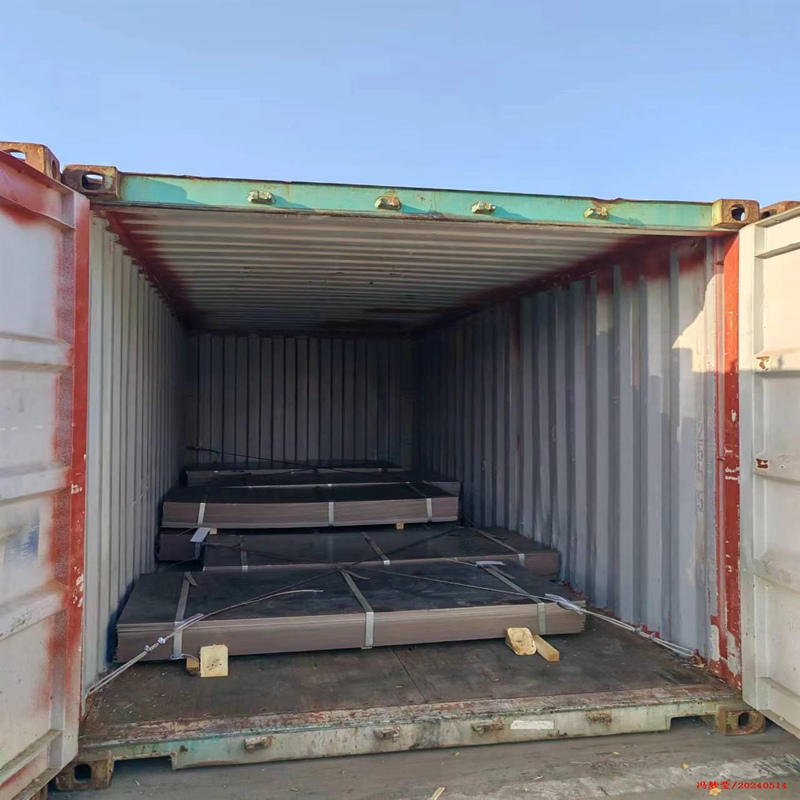
A4: We adopt professional packaging and protection measures: each plate is wrapped with moisture-proof film and kraft paper (anti-rust), then fixed on a steel pallet with anti-collision buffers to prevent deformation and scratches.
For long-distance sea transportation, we add waterproof covers and desiccants to avoid rust caused by moisture and salt spray. We also mark "Handle with Care" and "Moisture-Proof" on the packaging to ensure the plates arrive in good condition and can be directly processed.
Q5: What is the lead time for bulk orders of carbon steel plates? Can you meet my project schedule?
A5: For standard grades and specifications (in stock), the lead time is 5-7 working days.
For customized specifications, special surface treatment (e.g., hot-dip galvanizing), or bulk orders (more than 100 tons), the lead time is 15-25 working days, depending on the production schedule. We will confirm the exact delivery time with you before placing the order, provide real-time production updates, and prioritize your delivery to ensure it matches your project schedule.
Q6: Can I get a sample before placing a bulk order? What is the sample policy?
A6: Yes. We provide free samples (1-2 pieces, size 300mm×300mm) for your quality inspection and processing test.
You only need to bear the shipping cost. The sample lead time is 2-3 working days, and the sample quality, material composition, thickness, and surface treatment are completely consistent with the bulk product quality, ensuring no deviations in your project.
Contact our sales team today for a quotation or to discuss your project requirements. We are committed to providing high-quality carbon steel sheet that meet your exact specifications and delivery deadlines.
Your trusted partner in carbon steel solutions.For further technical information, pricing, or customization, please contact our sales team:
Tel/WA/Wechat: +86 13225105678
Email: sales01@duohessplate.com
Previous:no more
Next:no more